When the Robot Dog Meets the Qigong Instructor
Wellness and Tech Are No Longer Separate Conversations in Events — And That's a Very Good Thing
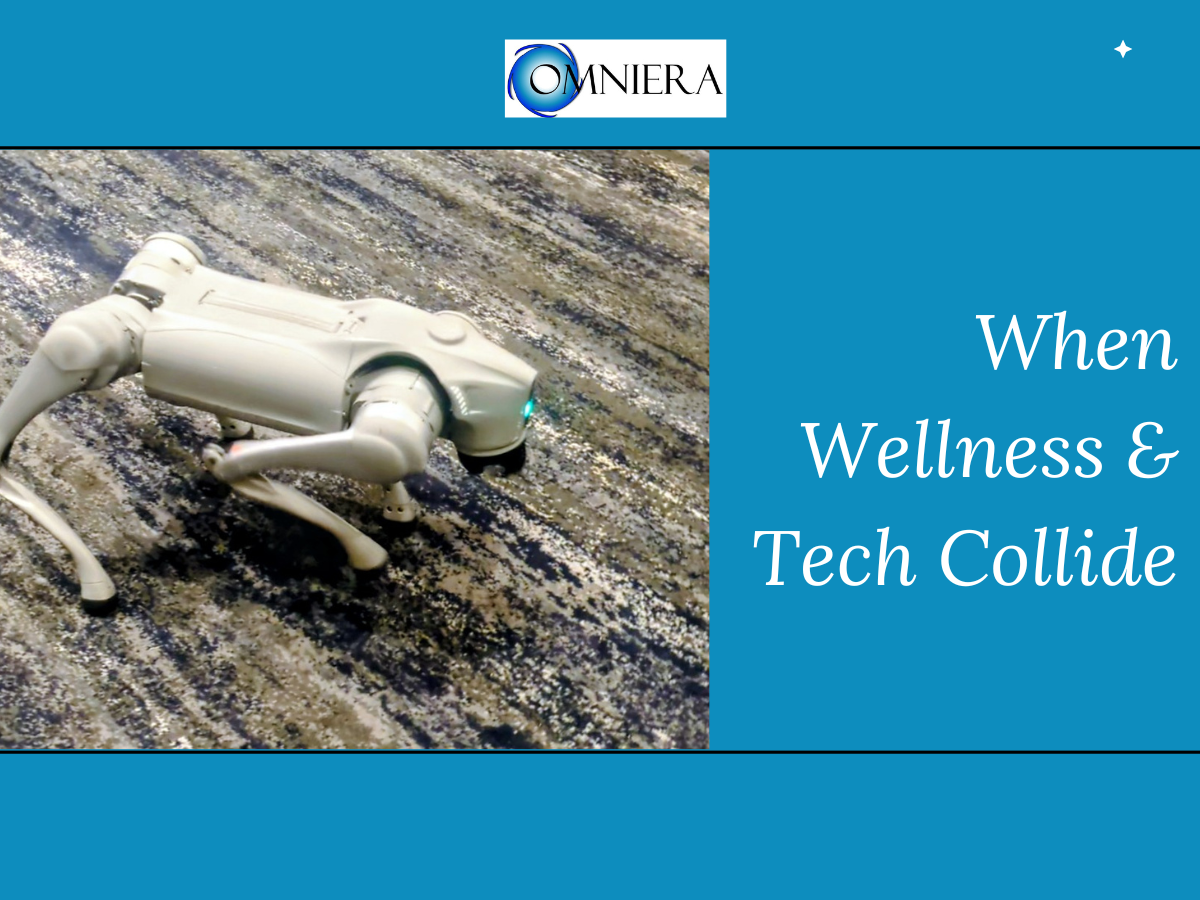
Let me start with a scene: It's March 2026. I'm standing on a conference floor at MPINCC's ACE at the Hyatt Regency SFO — a few miles from where I grew up — and within the same 48 hours, I watched a robot dog trot across the room, sat in a Qigong session that shifted the entire energy of a meeting space, and listened to a TEDx speaker remind a room full of event professionals that empathy is still the most powerful tool we have.
That's where we are in events right now and I'm here for all of it.
Whether you're brand new to this industry or you've been doing this for twenty years like I have, the convergence of wellness and technology in live experiences is no longer a trend to watch. It's the room you're already sitting in. Here's what I took away from two conferences this past month, and what I think it means for how we design experiences going forward.
AI Is Everywhere. Here's What It Can — and Can't — Do
If you've been to any industry conference in the last year, you already know: you cannot escape AI. At ACE, Noah Cheyer of Silicon Valley Speakers demonstrated how to use AI as your own personal advisory board — a practical, accessible application that got heads nodding across the room. Huong Nguyen, Founder & CEO of Shiloh Events & Aletheia, walked through how data-driven AI analytics can lead to smarter content curation, better-informed decisions, and ultimately, a stronger ROI for your events.
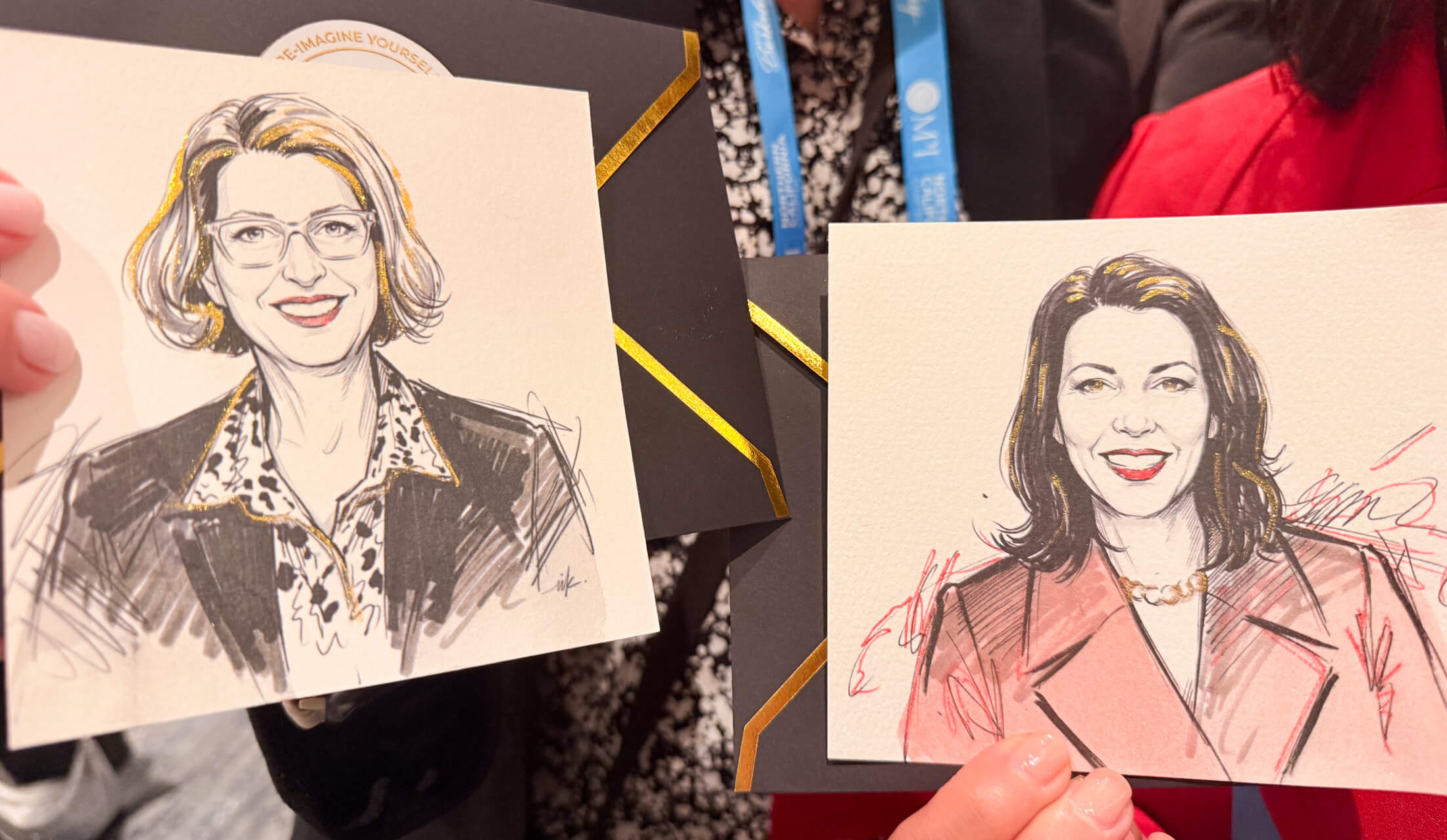
There was the AI sketch activation by Catalyst Arts (see photo below), and yes — the robot dog. 🤖
Here's my honest take as someone who uses AI regularly in my own work (shoutout to Claude, genuinely): the productivity case is real. Brainstorming, content frameworks, research starting points, proposal organization — AI is a legitimate time-saver when used well.
But AI still cannot tell you whether your venue's power grid can handle your lighting design. It doesn't know that a hotel had service issues last quarter, or that a better option just opened up that isn't on any list yet. As a Prevue Meetings piece I loved recently put it, AI "has no inherent understanding of power requirements, scale, safety considerations, or the basic laws of physics." Fire codes, attrition clauses, real-time availability, live pricing — still very much our territory. I've gone deeper on this in a previous blog post if you want the full breakdown.
The bottom line: AI is a powerful tool in skilled hands. It is not a replacement for expertise, relationships, or judgment.
Empathy Is Still the Most Powerful Tech in the Room
Maria Ross, TEDx speaker, brought her keynote on human leadership in the age of AI. In a room buzzing about algorithms and automation, she made the case — clearly and compellingly — that empathy is what fuels innovation, inclusiveness, and genuine well-being in the workplace.
It landed because it's true. And it connects directly to something that happened in D'Janae Robinson's DEIA session, which was one of the most electric, emotionally alive DEIA sessions I've ever witnessed. Attendees shared parts of themselves that nobody in the room would have known just by looking at them. They discovered that their intersections — their identities, experiences, and stories — are the very things that build real allyship and human connection.
Why am I including this in a blog about wellness and tech? DEIA is wellness. Mental and emotional well-being, belonging, connection, feeling truly seen — these aren't soft extras. They're the foundation. When we design experiences that honor the full humanity of every person in the room, we're not just doing the right thing. We're doing the work that actually makes events matter. That session reminded me of exactly why this work is worth showing up for.
Wellness Is No Longer a Line Item. It's the Design.
At Smart Meetings Wellness in San Antonio, The Monarch hotel — open less than two weeks when I arrived — set a new standard for what it looks like when a property actually commits to wellness as an experience, not an amenity.
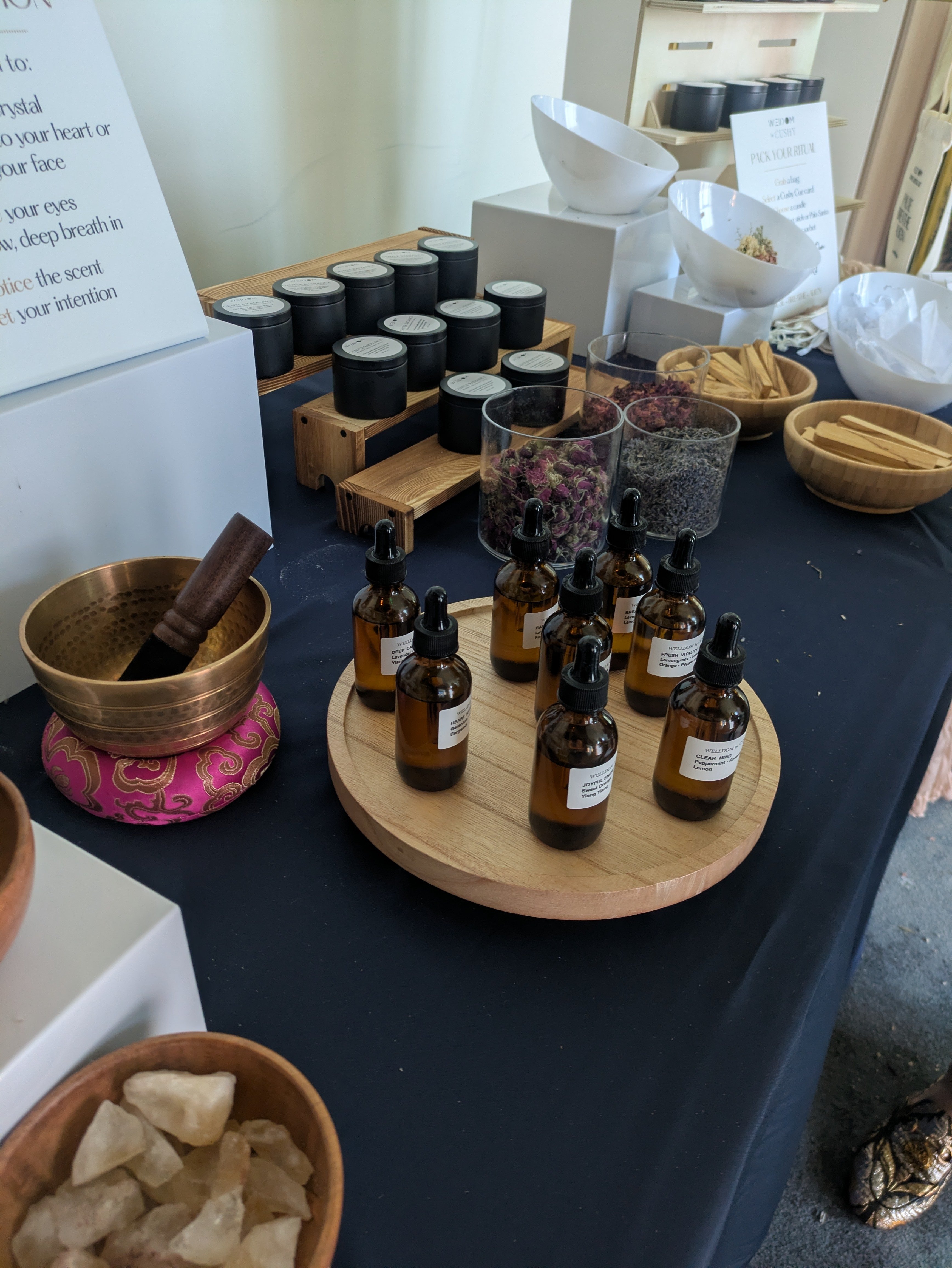
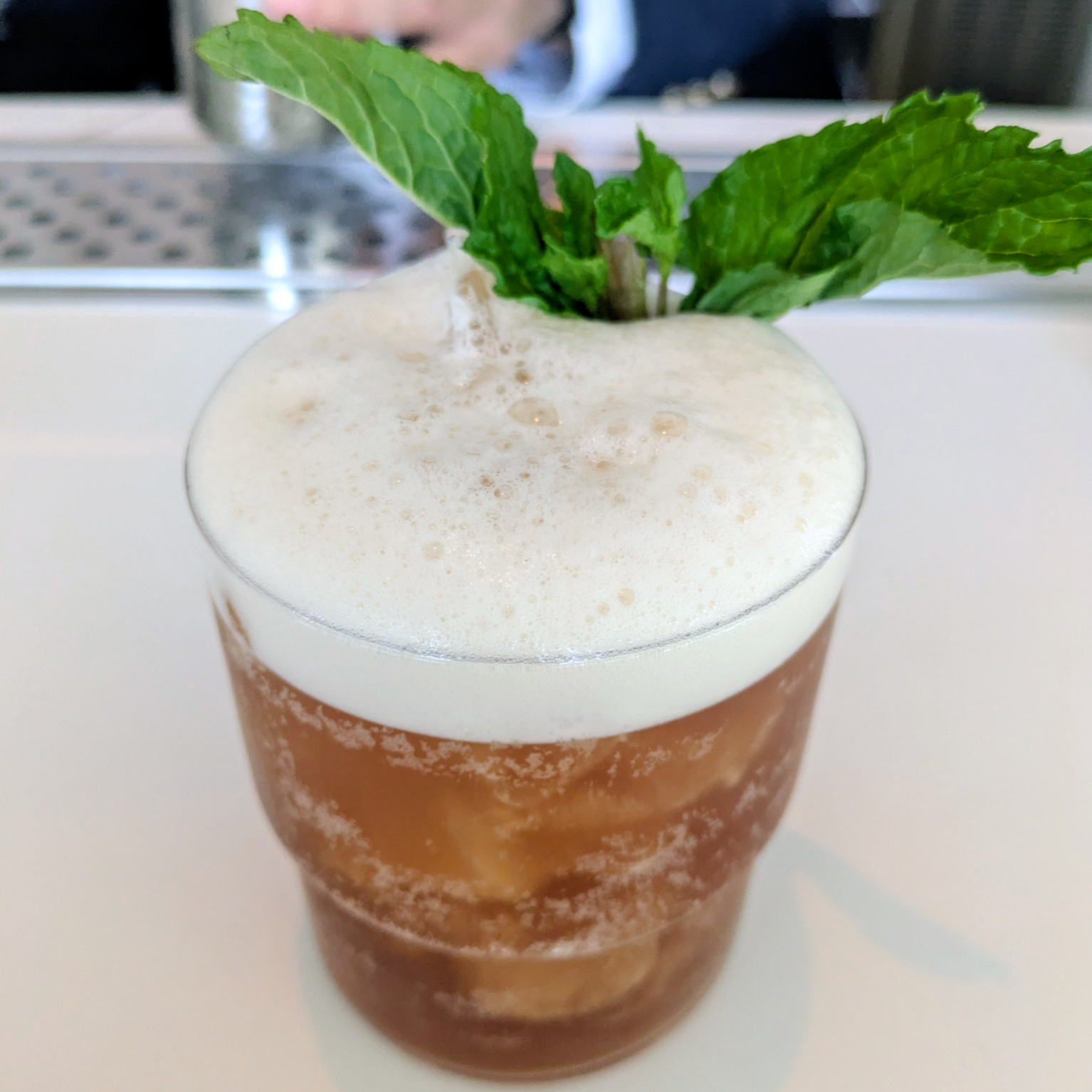
Water dispensers on every floor with over 50 flavor combinations (and a sparkling and caffeine option!). Customizable wellness gift kits where you chose your own dried flowers, essential oil blend, crystal, and intention card to take home. Then there was Novobeing — a VR headset that lifted you off a conference floor and transported you into a guided sensory breathing session. Relaxation before networking? Yes, please.
These aren't gimmicks. They're intentional design choices that signal to attendees: you matter here. And that signal changes how people show up for everything that follows.
Angela Gargano, six-time American Ninja Warrior competitor, brought a different kind of reminder. If you know her story, you know she tore her ACL live on TV — and was told her athletic career was essentially over. She came back. Six times on that course is the proof.
For those of us in the events and hospitality industry — an industry that has been through a pandemic, inflation, geopolitical uncertainty, and more volatility than most people can imagine — that story hits close to home. Plenty of us have faced a moment where we wondered if we could keep going. I've had my own version of that, navigating serious health challenges years ago that stopped me in my tracks. The through-line from Angela's story to ours is the same: resilience isn't about never falling. It's about what you build after you get back up.
The Qigong Moment (And the Free Wellness Win Nobody Talks About)
Back at ACE, Angela Minardi brought Qigong into her session — an ancient Chinese wellness system that blends gentle movement, breathwork, and mindful intention. It's accessible to every level, adaptable to any meeting room, and costs nothing to implement. The energy in that space shifted almost immediately.
She also called something out that I want every event professional to hear: the shades in the room were drawn, blocking the natural light coming through the windows. The sun wasn't causing glare — it was just being blocked by default. She pointed it out. I hopped up, asked A/V to raise the shades, and the difference was instant.
Free. Easy. Wildly underused in event design.
Natural light is psychological infrastructure, not decoration. The same way your room's acoustic environment, spatial flow, and even the arc of your music affects how people feel — and therefore how they engage, retain information, and connect with each other. Wellness design isn't always about the big activations. Sometimes it's raising the shades.
Angela also shared something that I've started experimenting with personally: using AI as a visualization tool. She encouraged the room to think about what they truly want their lives and work to look like — and suggested AI can help prompt that process. I asked Claude to generate 100 hyper-specific prompts about the life I'm building — from the feeling of my home to my travel goals to the people around me. I haven't filled them all in yet, but the exercise alone has been clarifying in ways I didn't expect. I'll share more on that as I go — and if visualization is something you've been curious about, it might be worth trying for yourself.
What This Means for You — Whether You're New or a Veteran
If you're newer to events and travel: you don't have to choose between tech-forward and wellness-forward. The best experiences right now are both. They use AI thoughtfully on the back end, and they design for the whole human being on the front end.
If you've been in this industry for a while: the baseline has shifted. What felt innovative two years ago is increasingly what attendees expect as standard. The good news is that a lot of what makes an experience genuinely well-designed doesn't require a massive budget — it requires intention.
And if you're somewhere in between — building something new, recovering from something hard, figuring out what the next chapter looks like — you might find, like I have, that the lessons from a conference floor and a wellness retreat aren't that different from the lessons of a life being rebuilt. Show up. Pay attention. Design for the whole person. Raise the shades when the light is right there.
That's the work. And I think it's the most exciting time to be doing it.
Want to talk about what wellness-forward, values-driven event design could look like for your next program? We'd love that conversation.