When AI, Travel Booking, and Hospitality Implode: What the OYO "Palette" Scandal Should Teach Every Traveler
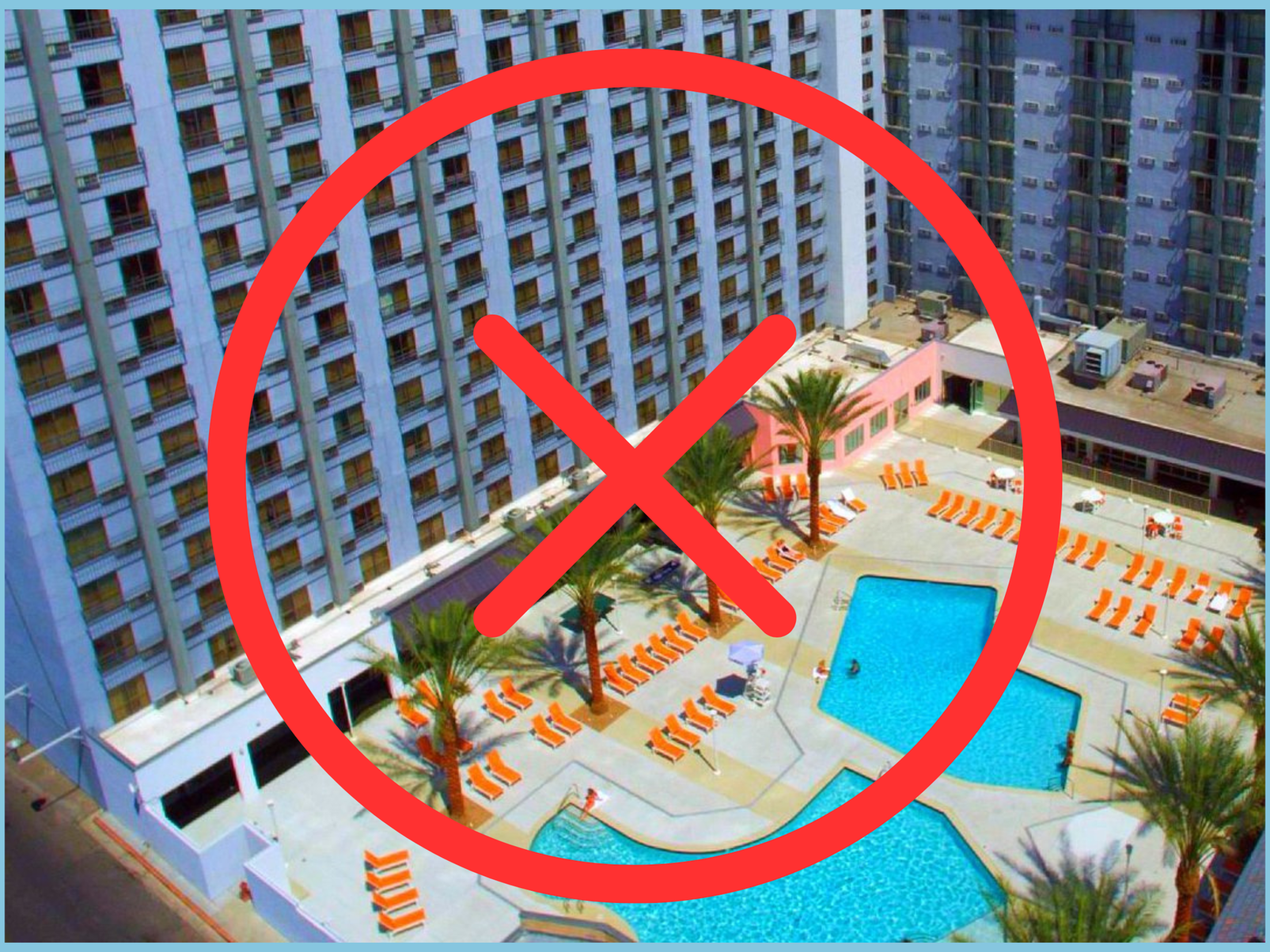
Picture this: you research a Las Vegas hotel, decide the reviews are bad enough to steer clear, book a completely different property instead - and arrive to find out the "different" hotel is the exact one you were trying to avoid. Not a similar building next door. The. Same. Building. Same address, same rooms, with a fake name and AI-doctored photos slapped on top.
That's not a hypothetical. That's what happened to travelers in Las Vegas this month, and it's one of the ugliest examples I've seen of what happens when technology gets used to manipulate instead of inform.
The Real Story
OYO Hotel & Casino Las Vegas - a property on Tropicana Avenue, formerly Hooters Casino Hotel - has spent years as one of Las Vegas's worst-reviewed hotels, with guests describing an inconsistent, poorly managed property since its operator was removed in late 2025. Rather than fix the problem, the company allegedly decided to hide it. Two "new" hotels quietly appeared on major booking sites - Palette Las Vegas and Collection O Las Vegas - both listed at the same address as OYO, both showing up on reputable sites Booking.com, Expedia, Travelocity, Orbitz, and Trip.com, and both, according to reporting, using OYO's own website to sell rooms under the fake names. AVN
Neither hotel exists. The listings featured digitally doctored photos with OYO's branding replaced by fake signage, dressing up the same tired building as something new and polished. A traveler, Ariana Patiño, booked Palette specifically to avoid OYO's reputation, then found herself in front of OYO anyway, being told to check in there. When she asked what was going on, staff reportedly told her the fake listing was a way for OYO to test which name performed better. AVNThe Bulkhead Seat
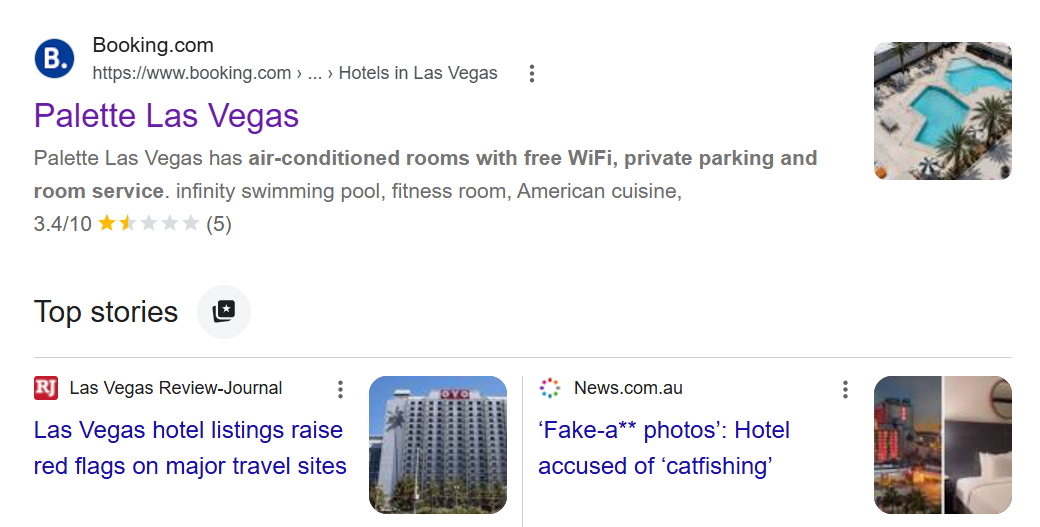
Read that again: A hotel this poorly rated allegedly built two fictional identities to keep booking rooms it couldn't sell under its own name, and travel sites people trust specifically because they assume some level of vetting happening behind the scenes never caught it until guests did.
Why This Matters Beyond One Bad Hotel
I've said it before and this story proves it louder than I ever could: AI is a phenomenal tool for inspiration, logistics, and organizing your own research. It is not a substitute for someone who truly knows what's real, who's local, who has boots-on-the-ground relationships with the properties themselves. This situation is the flip side of that coin - AI wasn't just a shortcut here, it was the tool used to actively deceive.
Expedia has since confirmed its policy prohibits using generative AI to mislead or misrepresent a property, and suspended both listings pending investigation. Good. That's the bare minimum. But it also means the platform millions of people book through in good faith had no way to catch this before travelers like Patiño paid the price - in this case, including broken elevators and a walk down seventeen flights of stairs in triple-digit heat to stay in a room in a hotel she never agreed to stay at.
This is exactly the gap a real advisor exists to close. When I send a client to Las Vegas, I'm not pulling a listing off a search results page and hoping the photos are honest. I have direct relationships with hotels on the Strip, downtown, and off-Strip - the kind built over decades, not scraped from a listings page. If a property's reputation doesn't match what's being advertised, I know before you book, not after you've hauled your luggage down seventeen flights of stairs to find out.

Where Things Stand
The fallout moved fast. OYO pulled both fake listings from its own reservation system, and Expedia disabled Collection O entirely, marking the property closed through August 2028. Reporting has confirmed the same listings appeared across Booking.com, Expedia, Travelocity, Orbitz, and Trip.com - meaning this wasn't one rogue employee on one obscure site, it was a coordinated presence across the platforms travelers trust most. Nevada's deceptive trade practices laws exist for exactly this kind of alleged conduct, and given that OYO also holds a gaming license in one of the most heavily regulated industries in the state, this almost certainly isn't over.
I hope it isn't. Travelers deserve consequences strong enough that no company ever considers pulling a stunt like this again.
In the meantime, here's the takeaway I want you to walk away with: Yes - use AI to brainstorm, get inspired, build a framework... but when real money, real travel dates, and real trust are on the line, put a real human in your corner. One who knows the difference between a hotel that exists and a picture that was built to look like one. ✨