Well-Being on the Itinerary
The wellness industry has a bit of a reputation problem. Between the overpriced smoothies, the vague Instagram affirmations, and the dubious jade rollers, it can feel like a lot of noise with very little substance.
That's exactly why we have SamTalia Wellness to bring something different to OmniEra's community: 52 Things to Try - one evidence-informed, real-life-tested well-being tip per week, for an entire year. No fluff. No fads. Just genuinely useful tools for your mental and emotional health.
We're a couple of months in, and the response has been incredible. Today, we're doing a deep dive: reviewing the tips we've covered so far and exploring how each one translates beautifully into the worlds of events, travel, and corporate wellness. Wellness isn't a spa day you squeeze in before a conference - it's a philosophy that should run through every experience we design and every journey we take.
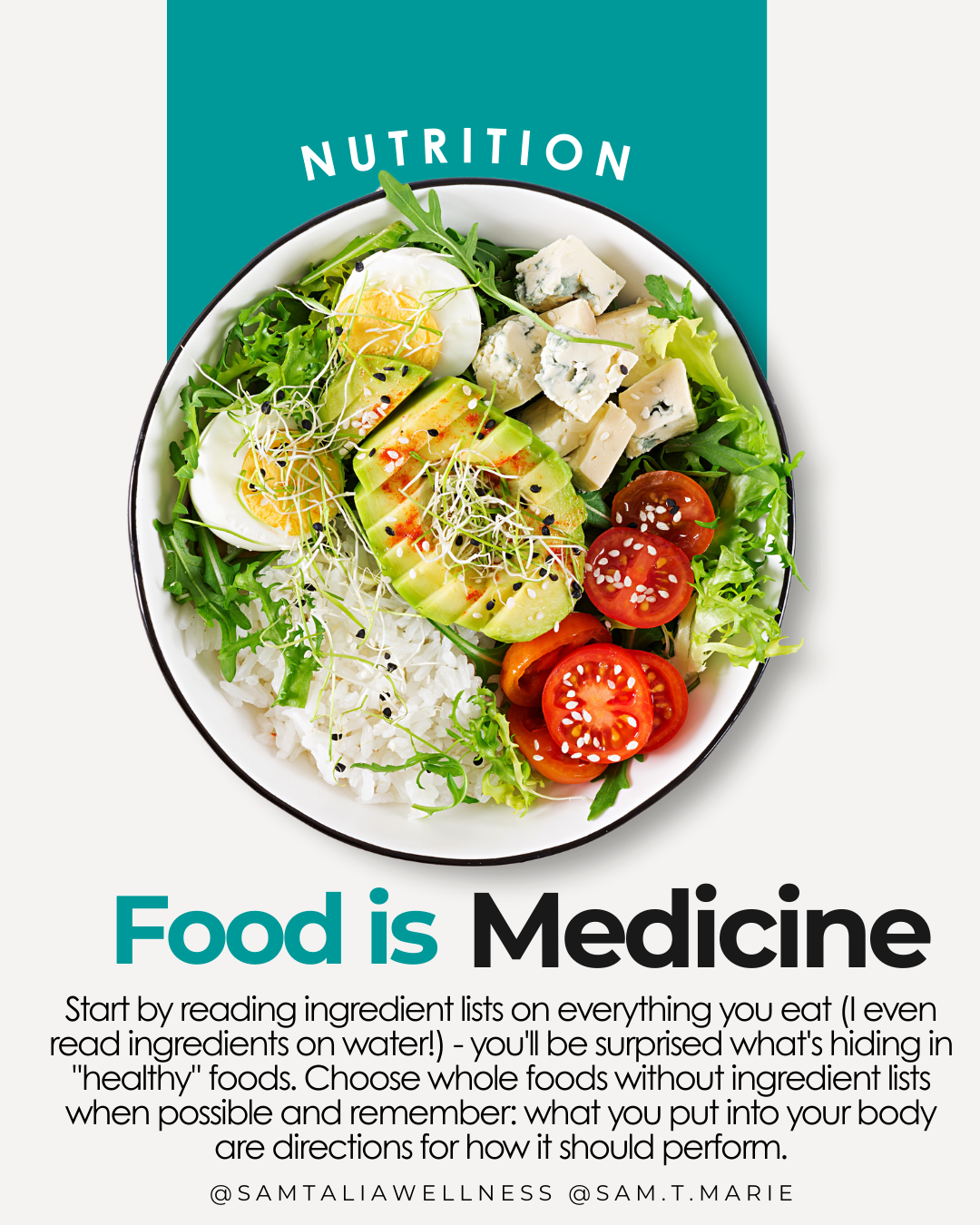
Nutrition: Food Is Medicine 🌱
"Food is medicine. Everything you put into your body is either healing it, hurting it, or giving it instructions on how to perform." - Samantha T. Marie
Nutrition kicked off the series for a reason - it's foundational. You simply cannot build a happy, high-performing life on a foundation of processed, chemical-laden food. As Michael Pollan famously put it: "Eat food, mostly plants, not too much." Radical simplicity. The tip here isn't about dieting or restriction; it's about awareness. Start reading ingredient labels. If you can't picture the ingredient sitting on a table in front of you, your body probably can't make sense of it either.
For Events & Travel:
Event planners and travel designers have a massive opportunity here. Thoughtfully curated menus - whole foods, local produce, plant-forward options - are no longer a "nice to have." They signal to attendees that their well-being was considered before the first agenda item was written. A post-lunch slump at a corporate retreat is a catering choice, not an inevitability. And for travelers, destination-based nutrition education (think: farm-to-table culinary experiences, local market tours, cooking classes) creates the kind of cultural depth that turns a trip into a transformation.
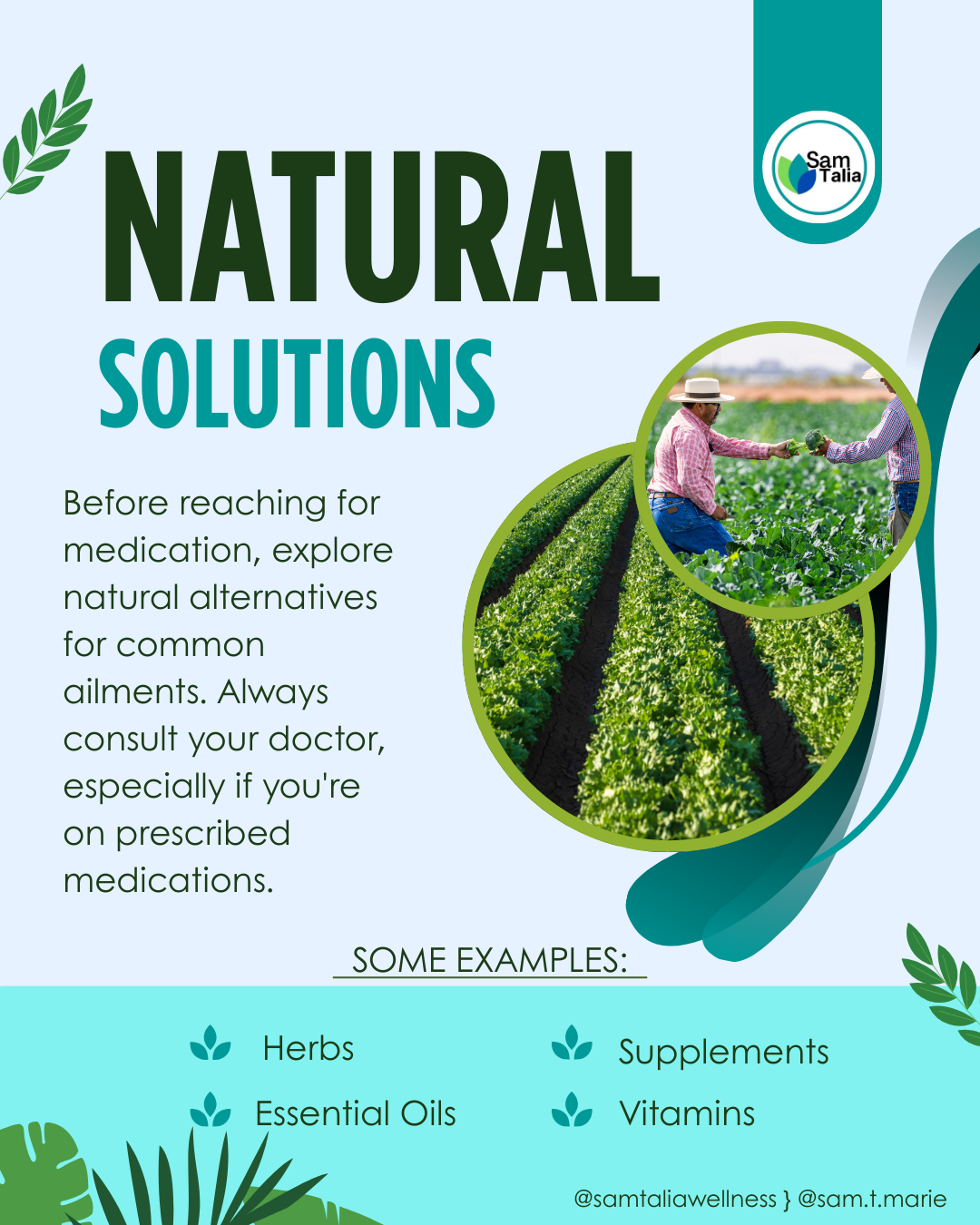
Natural Alternatives: Work With Your Body 🌿
"Most of our ailments come from something we may be deficient in or over-consuming. Your body knows how to heal when given the right natural tools."
This one is personal. Supplements like DHEA, 5-HTP, magnesium, valerian root, and SAM-e aren't magic, but they can be transformative tools in the right context. The point isn't to replace professional medical care; it's to become an informed advocate for your own health. Exercise as a natural endorphin boost, frankincense for inflammation, ylang ylang for blood pressure - nature has been doing this work for millennia before we outsourced it to a pill bottle.
For Corporate Wellness:
Corporate wellness programming that includes natural health education - brought in as workshops, lunch-and-learns, or retreat breakout sessions - empowers employees with tools they can actually use on their own time. This isn't about replacing HR health benefits; it's about elevating the conversation from reactive sick days to proactive vitality.
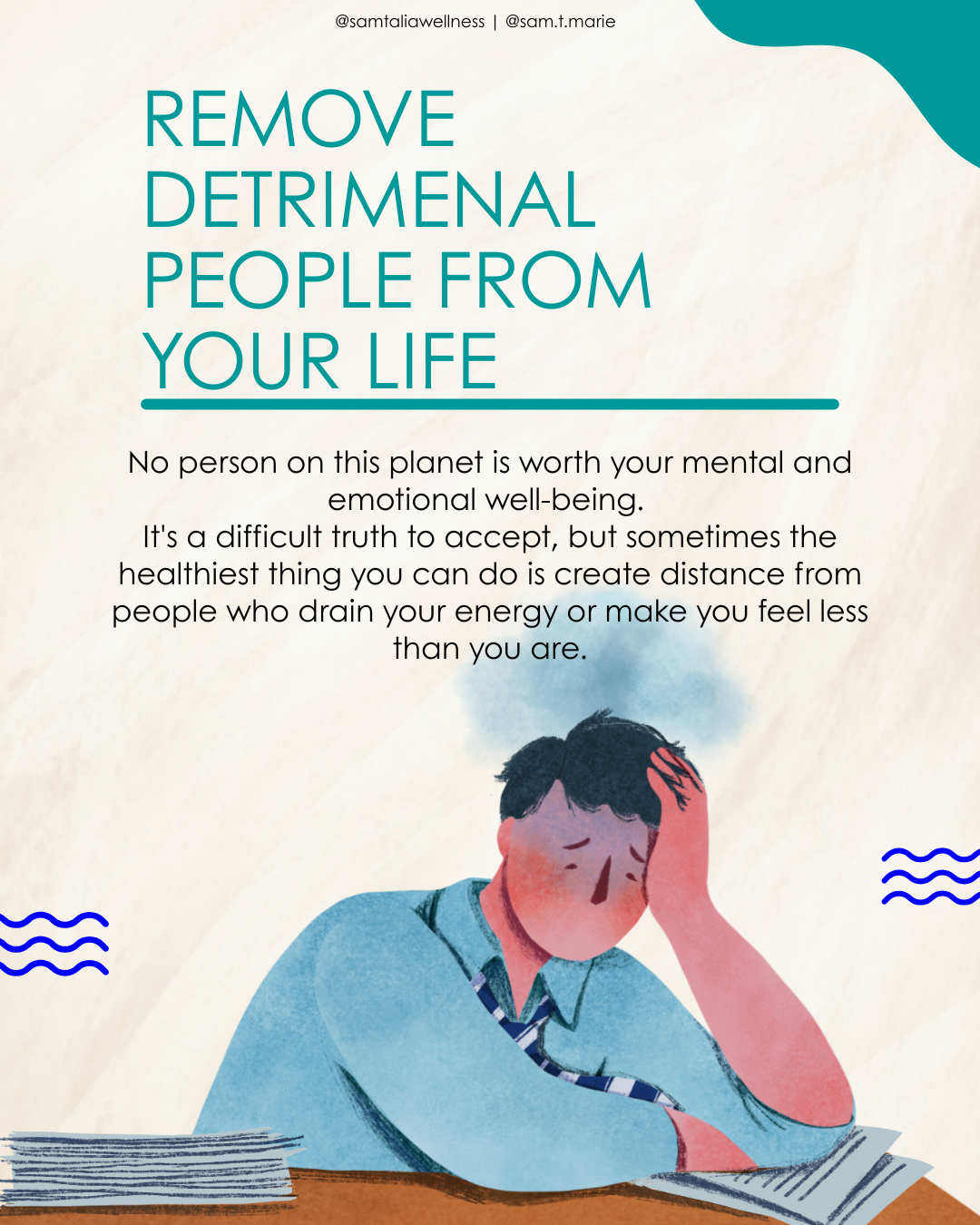
Protecting Your Energy: The Art of the Boundary ☢️
"No person on this planet is worth your mental and emotional well-being. This is your permission to prioritize yourself."
Whew. I said what I said. This tip is deceptively simple and profoundly difficult for most people. The relationships and environments we exist in have an enormous impact on our mental health - and giving ourselves permission to create distance or set limits is, for many of us, a practice that takes years to develop. We're planting the seed here.
For Events & Corporate Culture:
Healthy boundaries aren't just personal - they're organizational. Conferences and corporate retreats that build in genuine downtime, quiet spaces, and "opt-out" options for activities create environments where people actually recharge. The most memorable events aren't always the most packed ones. Psychological safety and energy management are increasingly non-negotiable for high-performing teams, and forward-thinking event design reflects that.
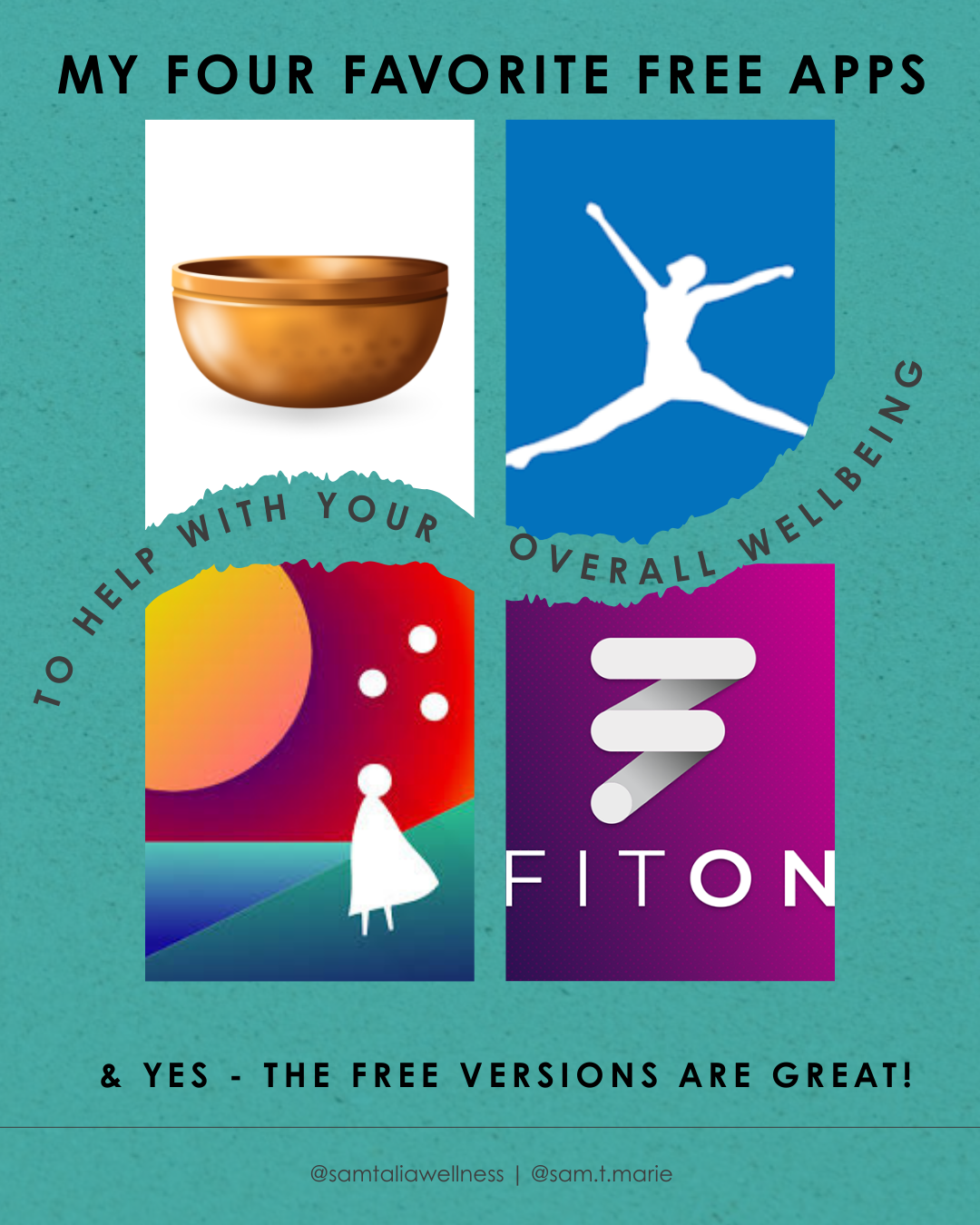
Wellness Apps: Free Tools, Real Results 📱
Four apps. All free. All genuinely life-changing if you actually use them. Here's the rundown:
• Fabulous: for building sustainable morning, afternoon, and evening routines through science-backed habit stacking.
• FitOn: the best free workout app going, with yoga, cardio, strength, and meditation options for every fitness level.
• MyFitnessPal: used almost daily for over 10 years, this app's nutrient tracking is genuinely eye-opening for understanding how food affects mood, energy, and health markers.
• Insight Timer: the gold standard in free meditation apps, with thousands of guided sessions, sleep tracks, and courses.
For Events & Travel:
Incorporate wellness app recommendations into event welcome kits and travel itineraries. Something as simple as a "Tech for Your Well-being" card in an attendee's swag bag - pointing them to Insight Timer for jet lag meditation or FitOn for a hotel room workout - adds genuine value with zero budget impact. It's the kind of thoughtful touch that makes people feel truly cared for.
Podcasts & Mindset: Reprogram the Commute 🎧
"You are not your thoughts. You are what you (repeatedly) do."
Dead time is a myth when you have a podcast queue. The commute, the dishes, the gym - these are all opportunities to feed your mind with the kind of content that rewires your neural pathways toward the life you want. Favorites include Tim Ferriss, Oprah's SuperSoul, Gabrielle Bernstein, and Tony Robbins - but the best podcast for you is the one that meets you exactly where you are.
For Events & Corporate Wellness:
Live podcast-style sessions or speaker panels at events make for incredibly engaging programming. Think: a curated discussion on mindset, hosted in a format attendees already love and trust. For corporate teams, consider launching an internal "recommended listening" resource as part of a broader wellness initiative. Investing in the minds of your people is always a good ROI.
Environment: A Clear Space, A Clear Mind 🧹
Your environment is communicating with you constantly - and clutter speaks loudly. When we're already in a low mood, the last thing we want to do is tidy up, which is precisely when it matters most. The fix doesn't have to be a full Marie Kondo overhaul: one drawer, one counter, one corner. That small win creates a ripple effect of momentum.
For Events & Travel Design:
The physical environment of an event is one of the most powerful tools in a planner's arsenal. Natural light, intentional décor, uncluttered flow, and thoughtful spatial design all impact how people feel - and how well they engage. The same is true for hotel room and retreat space selection for corporate and wellness travel. Aesthetics are not superficial. They're psychological infrastructure.
Music: Your Personal Happiness Soundtrack 🎶
Music is one of the fastest, most accessible mood-shifters in existence - and it's completely free. Building a curated playlist (or several - one for motivation, one for calm, one for pure nostalgia and joy) gives you an on-demand emotional reset button. Spotify makes it effortless. Your only job is to know which songs make you feel alive.
For Events:
We've always known that music sets the tone at events - but consider going further. A thoughtfully curated soundtrack that mirrors the emotional arc of your event (energizing arrival music, focused breakout-session background scores, uplifting closing ceremony playlists) can elevate an attendee's experience from "good" to genuinely unforgettable. For wellness retreats, sharing a collaborative playlist with attendees as part of their pre-event communications builds community before they even arrive.
The Takeaway: Wellness Is the Experience ✨
Two months in, and the through-line is already crystal clear: well-being isn't a separate category from great events and meaningful travel - it is the experience. When people feel good - nourished, rested, energized, and seen - they show up differently. They connect more deeply. They remember more. They come back.
That's the vision behind SamTalia Wellness's 52 Things series, and it's the vision behind a core purpose at OmniEra that we're planning for the next generation of meetings and experiences.
Follow along on our social channels for the weekly drops, and stay tuned here at Beyond the Itinerary for the next roundup. Your well-being isn't a destination. It's the whole journey.