Stop Talking, Start Walking: Why Event Wellness Still Isn't Happening (And How to Fix It)
Picture this: You're sitting in an education session about the importance of diverse, healthy food options at events. The speaker shares compelling data about how highly rated these offerings are among planners and attendees. Everyone nods along, taking notes about dietary restrictions and inclusive catering. Then you walk into the evening reception and find... fried everything, processed meats galore, and barely a vegetable in sight.
Welcome to too many situations recently where I've experienced this exact disconnect firsthand. Despite warm welcomes and great networking, the food situation is a perfect storm of everything we've been learning not to do. If you're a vegetarian or gluten-free, you are often staring at an empty plate.
This is the wellness gap in events and hospitality in a nutshell: lots of talk, not enough walk. We know what to do. We have the research. We understand the benefits. So why aren't we doing it?
The Five Excuses (And Why They Don't Hold Water)
1. "It's Too Expensive"
I hear this one constantly, and honestly? It's the laziest excuse in the book.
Wellness doesn't require hiring celebrity yoga instructors or serving $30+-per-plate superfood salads. Some of the most impactful wellness touches cost virtually nothing: guided breathing before sessions, strategically placed hydration stations, or simply offering a quiet room for introverts to recharge.
Here's what really gets me excited about this rebuttal: wellness initiatives actually *reduce* costs in the long run. When you prevent burnout and increase satisfaction, you're looking at lower costs related to staff turnover, sick days, and disengaged attendees who don't return next year. Think of it as an investment in ROI, not just an added expense. Energized, present attendees engage more, stay longer, and become your best ambassadors.
2. "It Won't Appeal to Our Audience"
Oh, you mean human beings with bodies and brains that need fuel, movement, and rest? Those humans?
Wellness today isn't just for the yoga-and-kombucha crowd. Stretch breaks, natural light, ergonomic seating, nutritious snacks, and calm environments benefit every single person in your venue. We're talking about basic human needs here, not asking everyone to chant mantras (though if that's your vibe, go for it).
The beauty is in the options. Some attendees will love a morning hike; others prefer journaling or simply having a cozy space to decompress. This is where strategy—my specialty—makes all the difference. Tailoring wellness options to match your specific culture and demographic is an art, not a one-size-fits-all approach.
3. "We Don't Have Time in the Agenda"
This is backwards thinking.
Integrating wellness doesn't replace your agenda—it enhances it. Short mindfulness or movement breaks of just 3-5 minutes actually increase retention, focus, and energy, making your sessions more effective. It's not time lost; it's time optimized.
Bonus points: wellness breaks create natural transition points and help manage timing more smoothly. Your speakers will thank you, your attendees will be more engaged, and you'll look like the planning genius you are.
4. "We've Never Done It Before - We Don't Know Where to Start"
An honest concern we can work with!
This is exactly where having an expert guide makes the difference. You don't need to reinvent the wheel or risk a wellness experiment gone wrong. Start with small, low-risk pilots: a wellness welcome gift, guided breathing at opening, or one simple activation that fits your event's personality.
Our background bridges both event flow and wellness strategy, which means we help teams adopt something new with confidence, not confusion. We're talking strategic implementation, not throwing wellness spaghetti at the wall to see what sticks.
5. "Wellness Feels Too 'Woo-Woo' or Not Aligned with Our Brand"
I get it—some brands are more buttoned-up than others. But here's the thing: wellness is science-backed, not just spiritual. Stress management, sleep hygiene, hydration, and emotional regulation are business-critical skills.
Frame it as performance optimization or human-centered design if "wellness" feels too fluffy. Customize your language and activations to match your brand tone. Wellness can be sleek and techy, polished and corporate, or luxurious and sophisticated just as easily as it can be earthy and holistic.
The ROI That Actually Matters
Here's what gets me most excited about wellness-integrated event design: the return on investment isn't just about attendee experience and retention (though those benefits are substantial). It impacts your actual bottom line.
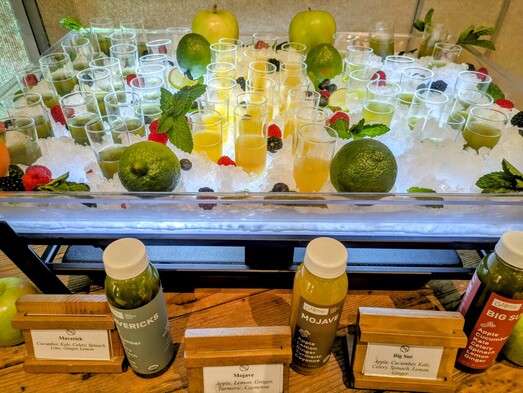
Healthy alternatives often cost less than their processed counterparts. Many wellness activities can be implemented at low or no additional cost. When you thoughtfully weave wellness offerings throughout your event, you meet attendees where they are with their individual needs and preferences, maintaining energy and motivation throughout the entire program.
At those nutrient-poor receptions that fall flat, providing even basic dietary alternatives won't cost significantly more—but it will prevent numerous attendees from feeling excluded, uncomfortable, or literally sick. That's not just bad hospitality; it's bad business.
The Inclusive Design Imperative
"Event design with wellness in mind" is incomplete if it's not planned holistically and inclusively. This means meeting attendees where they are, acknowledging that we all have different wellness needs, preferences, and limitations.
The goal isn't to create a wellness retreat (unless that's specifically your event type). It's about weaving considerate, energizing, and inclusive elements throughout your existing program design to enhance rather than overshadow your core objectives.
When event planners miss this mark—like serving exclusively processed, gluten-heavy, meat-centric options at a reception for event professionals who just spent the day learning about dietary inclusivity - it's a missed opportunity that affects real people in real ways.
Let's Stop Talking and Start Walking
Wellness-integrated event design isn't just a trend—it's the future of creating experiences that truly serve our attendees. I'm passionate about helping event professionals discover practical, budget-friendly ways to implement these strategies without the overwhelm or guesswork.
The disconnect between knowing and doing doesn't have to continue. With the right approach, any event can incorporate wellness elements that feel authentic to the brand, valuable to attendees, and feasible within budget and timeline constraints.
Ready to bridge the gap? I'd love to chat about how wellness integration could transform your events. I'm offering complimentary 20-minute consultations to discuss specific strategies for your attendee demographic, brainstorm inclusive design solutions, or simply explore what's possible for your next event.
No sales pitch, just genuine conversation between professionals who care about creating meaningful experiences that actually serve the humans in the room.
Because at the end of the day, isn't that what great events are really about?
Love what you're reading???
Get a monthly dose of travel trends, event inspo, and wellness wisdom from behind the scenes, straight to your inbox! Never boring spam, always fun & uplifting from the founder. 😊