Expanding Your Horizons: The Power of Flexibility in Event Planning
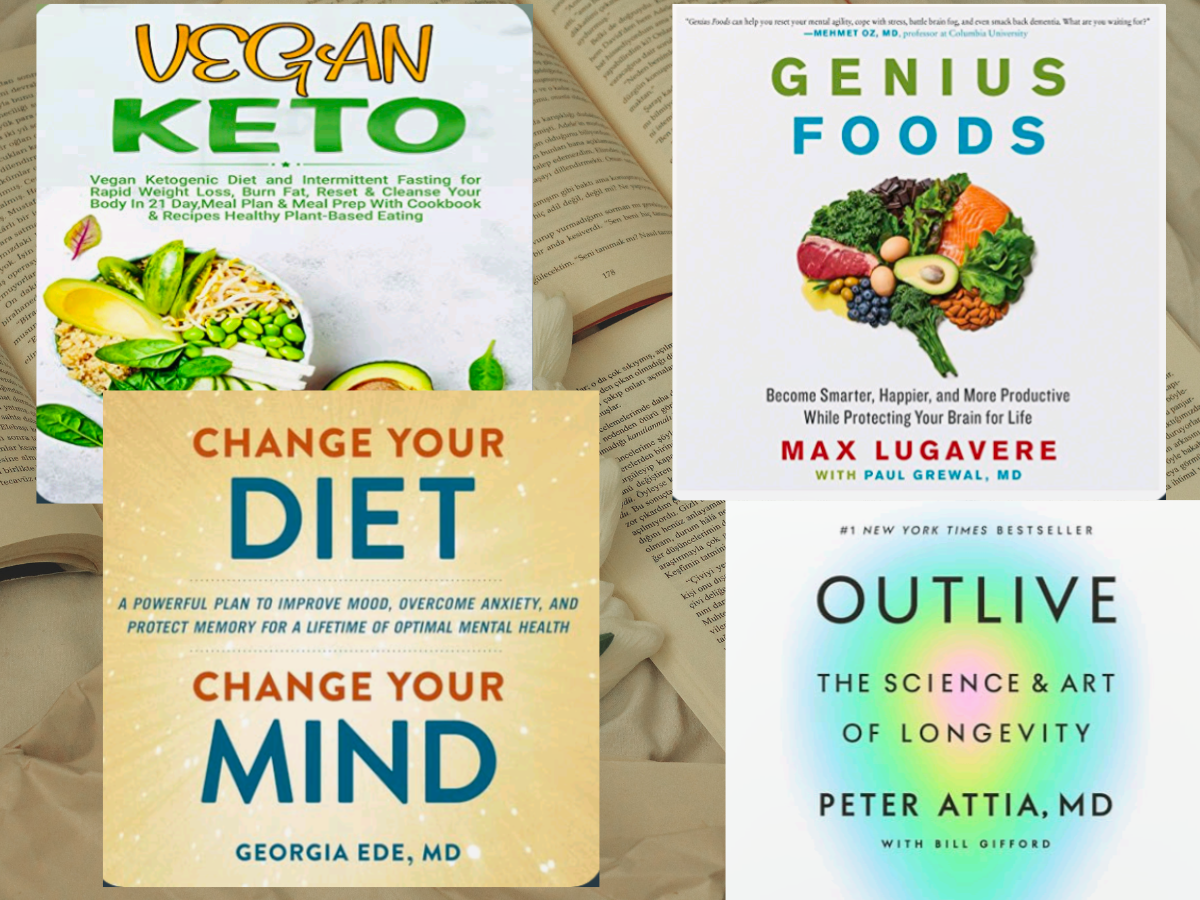
Recently, I found myself immersed in an audiobook about food and mental health that challenged my personal views and habits about nutrition. As someone with certifications in nutrition who embraces a predominantly plant-based lifestyle, listening to a staunch advocate for keto and carnivore diets felt like venturing into uncomfortable territory.
My first instinct? *Cringe* Maybe I can return it... But if I wanted to walk my talk about being open to other perspectives that don't necessarily align with my own, I had to keep listening.
By the final chapter, while I hadn't abandoned my core nutritional philosophy, I had gained valuable insights about how different foods affect our bodies and minds. This unplanned journey reminded me of a powerful truth that applies perfectly to event planning: sometimes the most exciting and memorable events come from embracing perspectives that initially make us uncomfortable.
Why Flexibility Matters in Your Next Event
In today's fast-paced world, it's easy to fall into planning routines. The same venues. Similar agendas. Predictable experiences. But just as I discovered unexpected value in that audiobook, your group might find transformative opportunities by exploring fresh approaches to your meetings, events, and travel programs.
Breaking Free from Planning Patterns
Consider how often we automatically dismiss ideas:
- "Our team wouldn't enjoy an outdoor setting."
- "We always do three-day conferences in hotel ballrooms."
- "Our executives prefer formal dinners."
These assumptions limit possibilities before they've even been explored. What if your team's creativity would flourish in a mountain retreat? What if a shorter, more intensive format would generate better results than your traditional conference?
The Wellness Connection
As a wellness-focused planner, I've seen firsthand how stepping outside comfort zones can enhance not just event outcomes but participant wellbeing. That unconventional venue might offer opportunities for natural light and movement. The unexpected destination might provide unique stress-reduction experiences.
Just as understanding different nutritional perspectives expanded my toolkit for supporting health, exploring diverse event approaches can reveal new ways to incorporate wellness elements that energize participants and boost engagement.
Practical Steps for Perspective Flexibility
- Question your defaults before planning begins
- Invite input from unlikely sources within your organization
- Consider how different environments might affect your team's energy and creativity
- Explore destinations that offer contrast to your usual choices
Remember that flexibility doesn't mean abandoning what works, it means expanding your toolkit to include approaches you might otherwise overlook.
The Return on Openness
The most memorable events I've planned have almost always involved an element that initially raised eyebrows. The leadership retreat where executives traded business casual for hiking boots. The sales conference that replaced traditional presentations with interactive problem-solving stations. The wellness program that incorporated local cultural practices alongside familiar fitness elements.
In each case, the willingness to consider approaches outside the norm created experiences that participants still talk about—and that delivered measurable results.
Your Next Extraordinary Experience Awaits
I'm passionate about creating events that nurture both achievement and wellbeing, and that begins with an open mind about what's possible for your organization.
What assumptions might be limiting your next event's potential? What fresh perspective might transform a routine meeting into something extraordinary?
I'd love to explore these questions with you. Let's discover how flexibility in approach can create an event experience that exceeds expectations while supporting your group's wellbeing and goals.
Together, we can design something truly remarkable—perhaps by venturing slightly beyond your comfort zone!
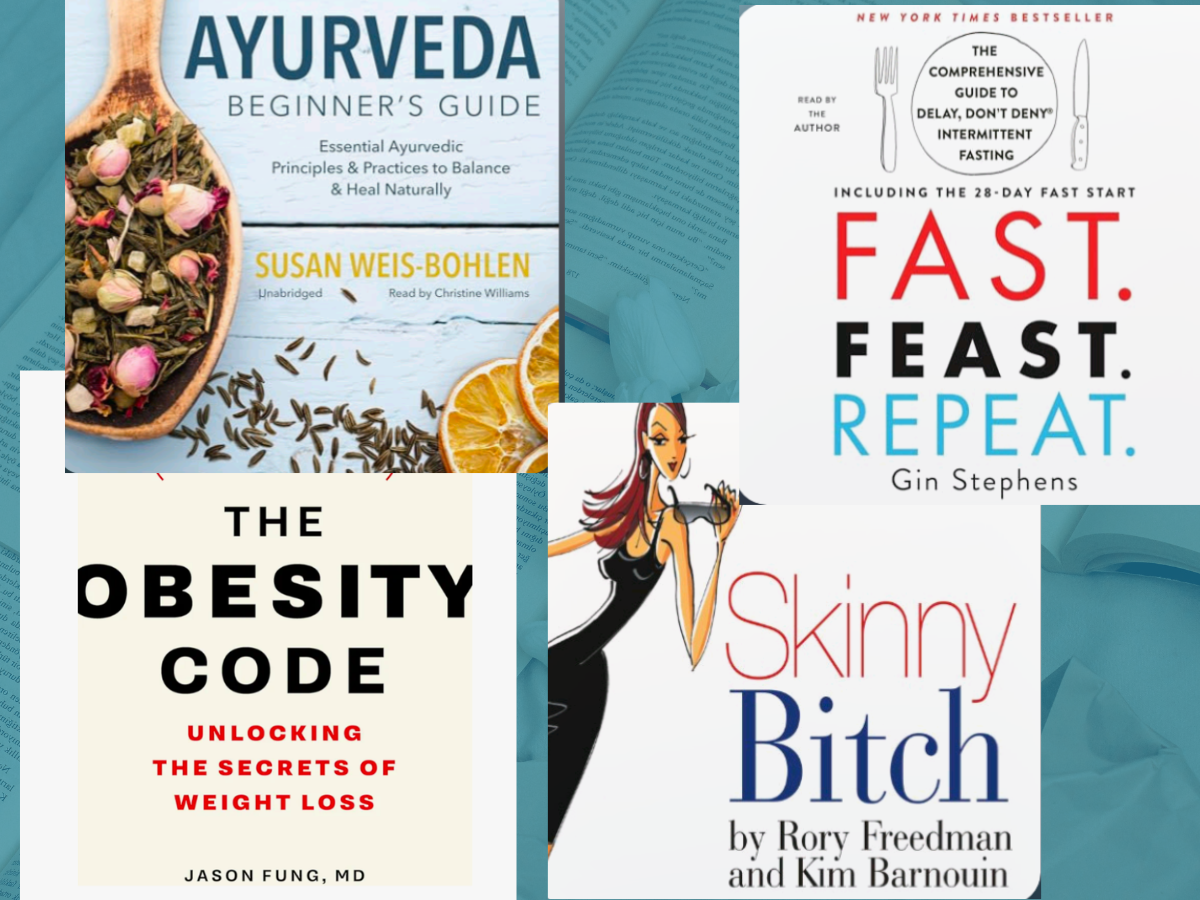
Footnote: Yes - I have actually read/ listened to all of the books that are posted in this blog. Feel free to ask me about any of them!