Move, Rest, Reset: A Wellness Wednesday Recap
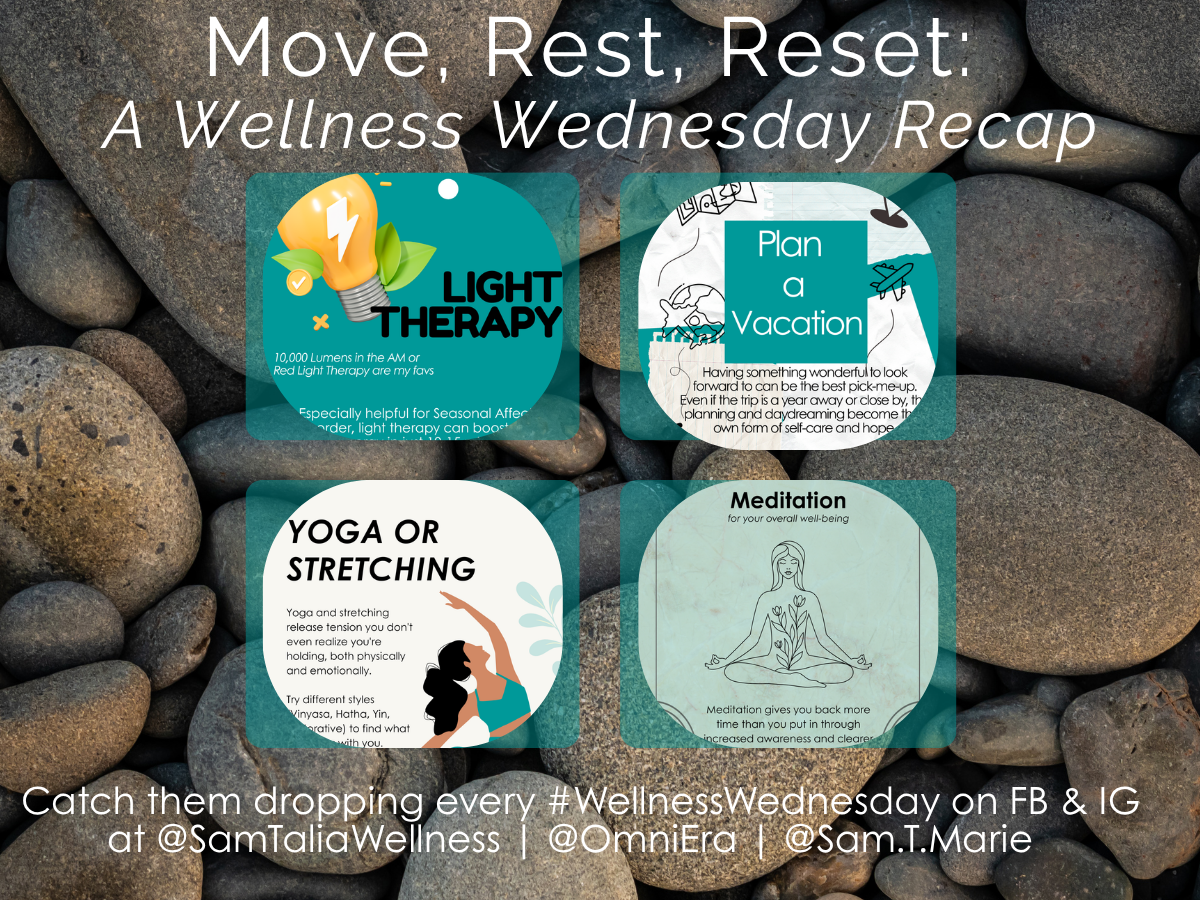
If you've been following along on Wellness Wednesdays, first of all - hi! I see you, and I appreciate you. Second - we've been busy. March and April brought ten weeks of tips covering everything from cardio you kind of hate to meditation you wish you'd started years ago, and I wanted to bring them all together here with some real talk about what these practices actually look like in real life — and of course - in the events and travel world we live and breathe in.
Wellness isn't a spa day you squeeze in between site inspections, it's the thing that keeps you functional, creative, and still standing when the industry asks everything of you. Which, as we know, it always does.
Here's the roundup. 😊
Get Moving. Even When You Really Don't Want To
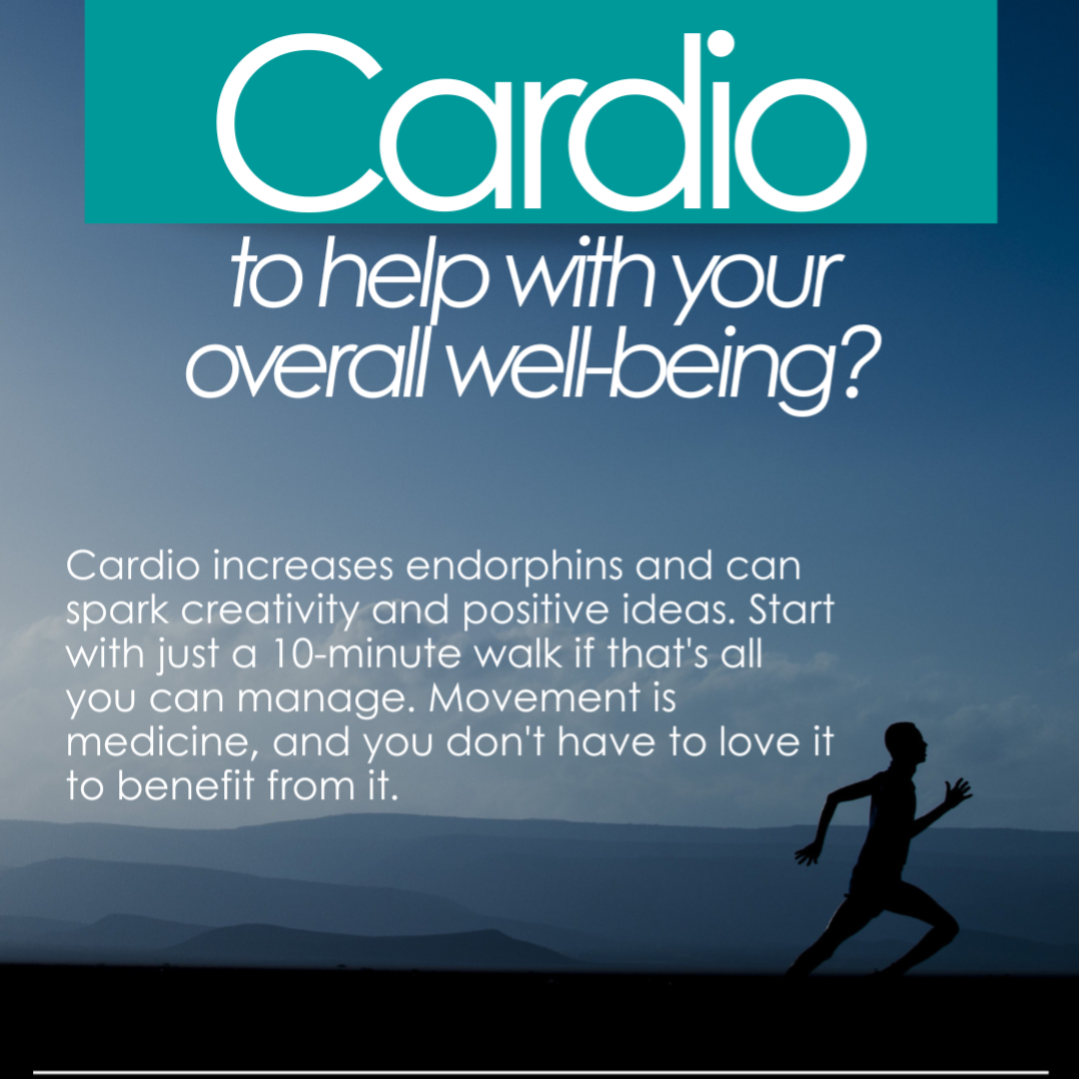
Let's start with the one that probably got the most "ugh" responses: cardio. I'll be honest, I mostly hate it. I do it anyway, mostly for my heart, but also because intense cardio has this funny way of clearing out the mental clutter and replacing it with actual creative ideas. Something about not having brain space for low-level worry opens a door for something better. If Insanity DVDs from a decade ago aren't your thing (no judgment either way), a ten-minute walk counts. Seriously. That was my starting point too.
Which brings me to a saying I've been using on myself since 2013, and I'll claim it officially right here:
"A half-assed workout is better than no workout." — Samantha T. Marie
You're welcome. Trademark pending. 😄
The hardest part of any workout is getting started: Literally getting to the gym, lacing up the shoes, stepping outside. Once you're there, something usually kicks in. If it doesn't? You still showed up. That counts. I can't count how many times I told myself: "Just get to the gym, you don't even have to work out. You can sit on the bench for 45 minutes and leave." Every single time, I ended up working out.
Outdoor walks deserve their own moment here too. During the early days of the pandemic, walks in the sun were genuinely one of the things that kept me sane. Fresh air, movement, not feeling confined - it's a reset that costs nothing and delivers more than you'd expect.
For the event and hospitality folks: This one's personal to me. We pour everything into creating meaningful experiences for attendees, and somewhere in the middle of it all, our own bodies get completely forgotten. Long conference days, airport layovers, back-to-back site inspections - movement is a professional survival tool, not a luxury. I'd love to see more intentional movement woven into conference programming: walking breakout sessions, stretch breaks between general sessions, outdoor networking when the weather cooperates. Not as an add-on. As a design priority.
Slow It Down
If you're looking for permission to stop performing at full volume for a minute:
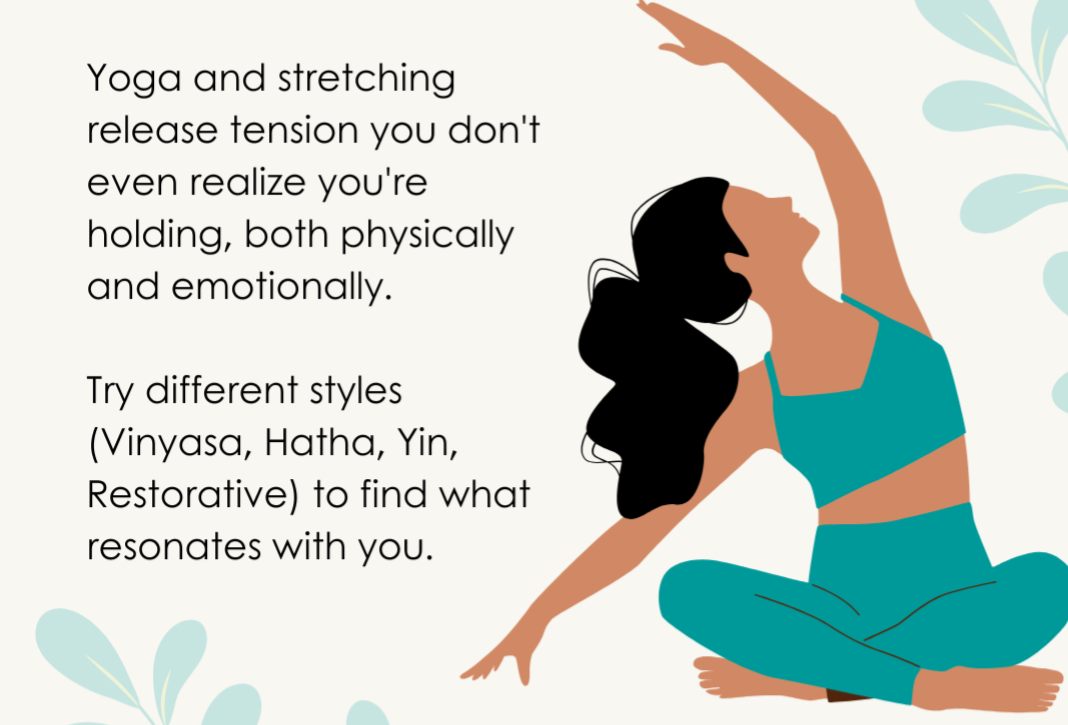
Yoga and stretching are the first to go when life gets busy, and they're often the ones we need most when it does. I used to think I didn't like yoga - turns out I just hadn't found the right style. Hatha and Yin I love. Yours might be Vinyasa, Restorative, or Nidra. Different styles exist for a reason, and your body will tell you what it needs if you let it.
Baths and sauna sessions are in the same restoration category. Both are wildly underrated and deeply practical. A bath with Epsom salts, a little lavender, and your phone in another room for thirty minutes is not indulgent, it's nervous system maintenance. A sauna session? One of my go-to tools when I'm feeling gross, agitated, or just done. Heat, circulation, and a solid sweat have a way of resetting things that nothing else quite replicates.
For the event and hospitality folks: These aren't just personal wellness practices, they're programming and sourcing criteria. When I'm evaluating a venue or hotel for a group, I'm thinking about amenities that support restoration: spa access, sauna facilities, bath products that go beyond a tiny soap bar. Wellness gift kits with intention behind them. These details matter to attendees more than ever, and they signal that the experience was designed with their whole self in mind - not just their schedule.
Mind Matters
Two tips this period that work quietly and change everything: light therapy and meditation.
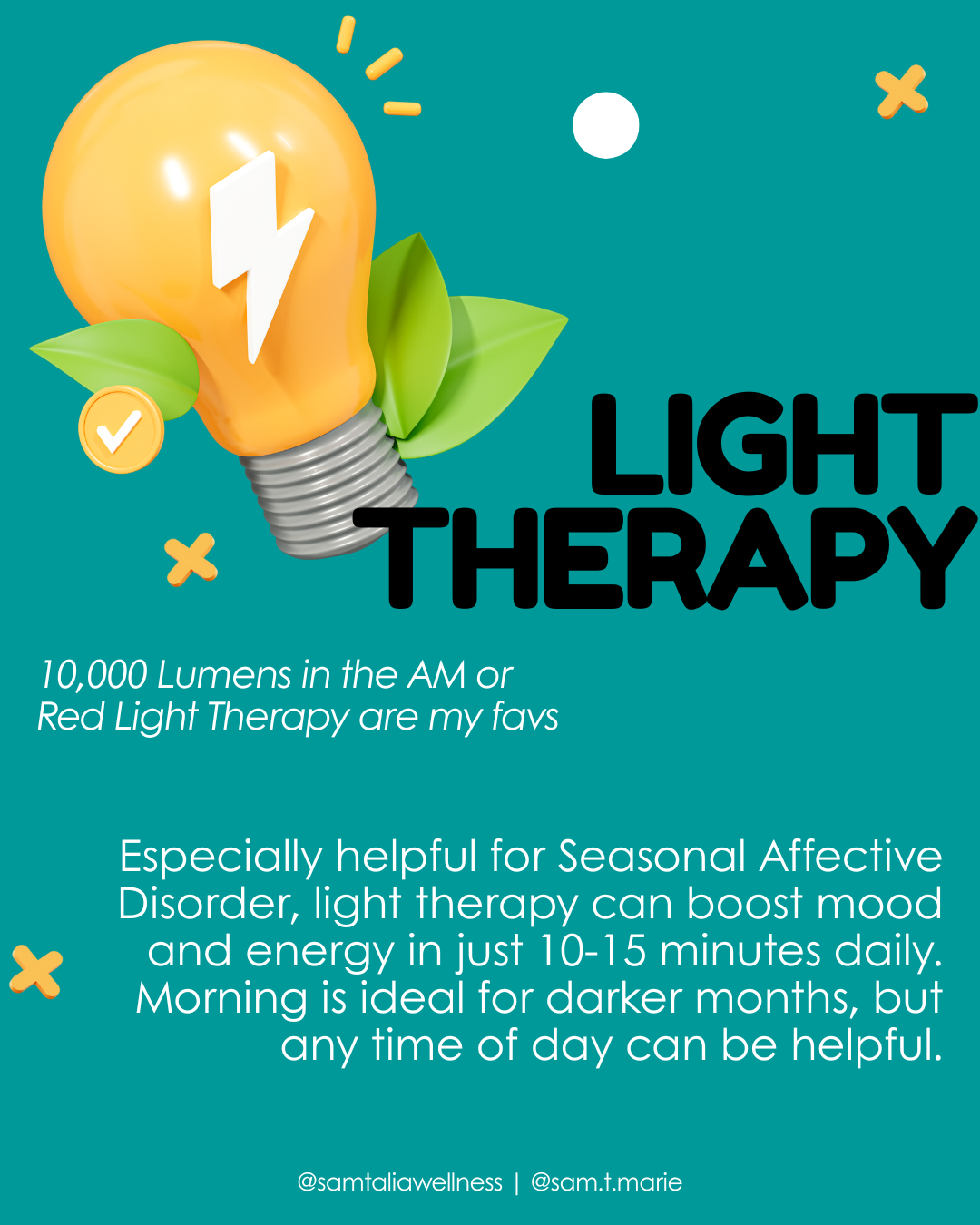
Light therapy is especially worth talking about because most of us in events have experienced the conference fluorescent lighting situation: Artificially lit ballrooms at 8am, blackout curtains pulled tight, everyone slowly wilting by noon. Natural light isn't just pleasant, it regulates your circadian rhythm, improves mood, and genuinely affects how people show up in a room. At MPINCC's ACE this spring, Angela Minardi asked for the shades to be raised mid-session and the energy shifted immediately. That moment stuck with me. It costs nothing and it works.
For darker months when sunlight isn't available, a 10,000-lux light therapy lamp used for 10–15 minutes in the morning is worth looking into, especially if the seasonal shift tends to hit your mood or energy.
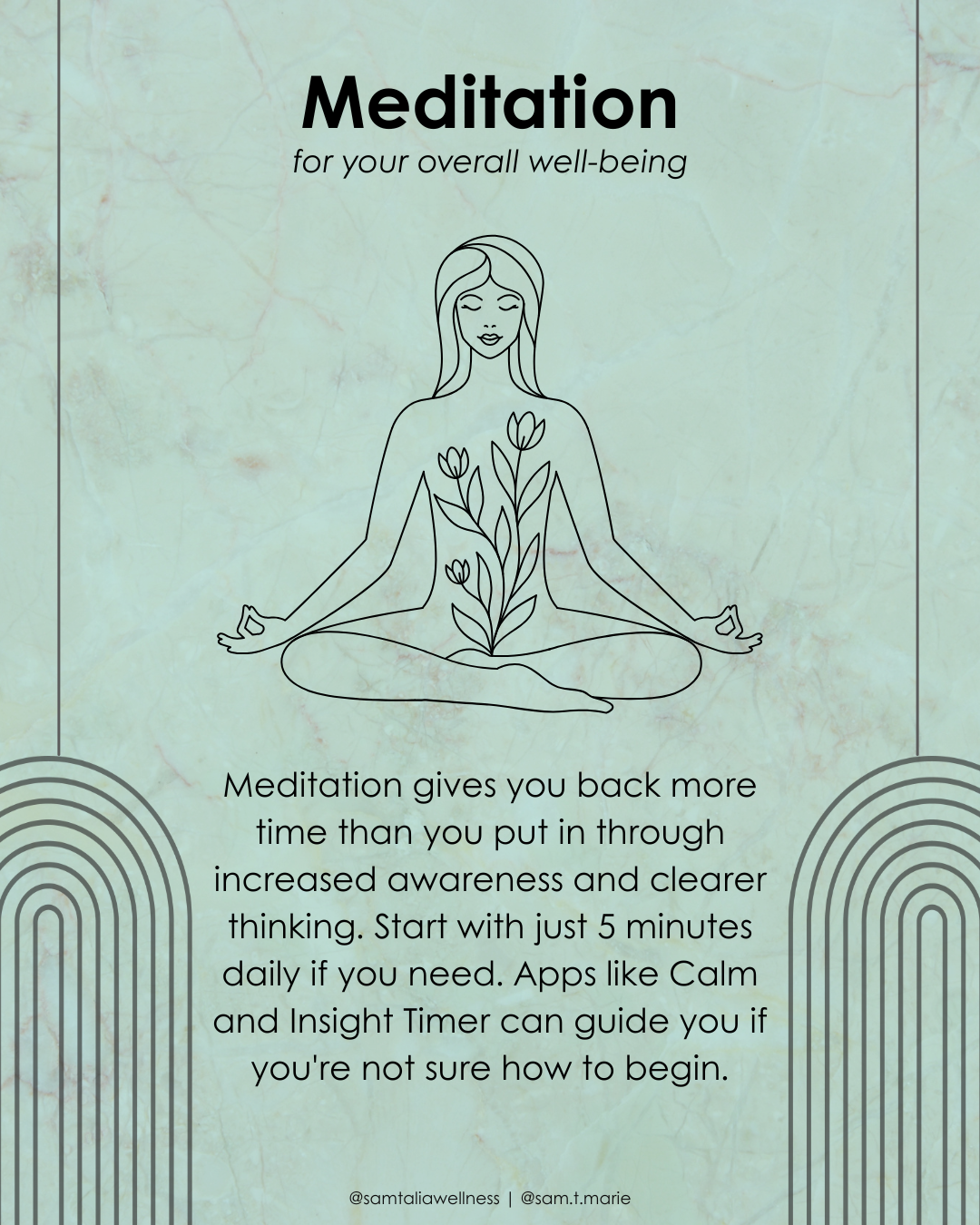
Then there's meditation - the practice I put off for years because I was too busy, too tired, and too convinced I'd do it wrong. Reader, I was doing it wrong about what it even was. You don't clear your mind. You observe it. Starting with five minutes is completely legitimate. I do ten before bed most nights. After about six months, it did more for my sleep and anxiety than anything else I'd tried (including pharmaceuticals) in twenty years. Apps like Insight Timer, Headspace, and Calm are genuinely great starting points if you're not sure where to begin.
Travel IS the Therapy
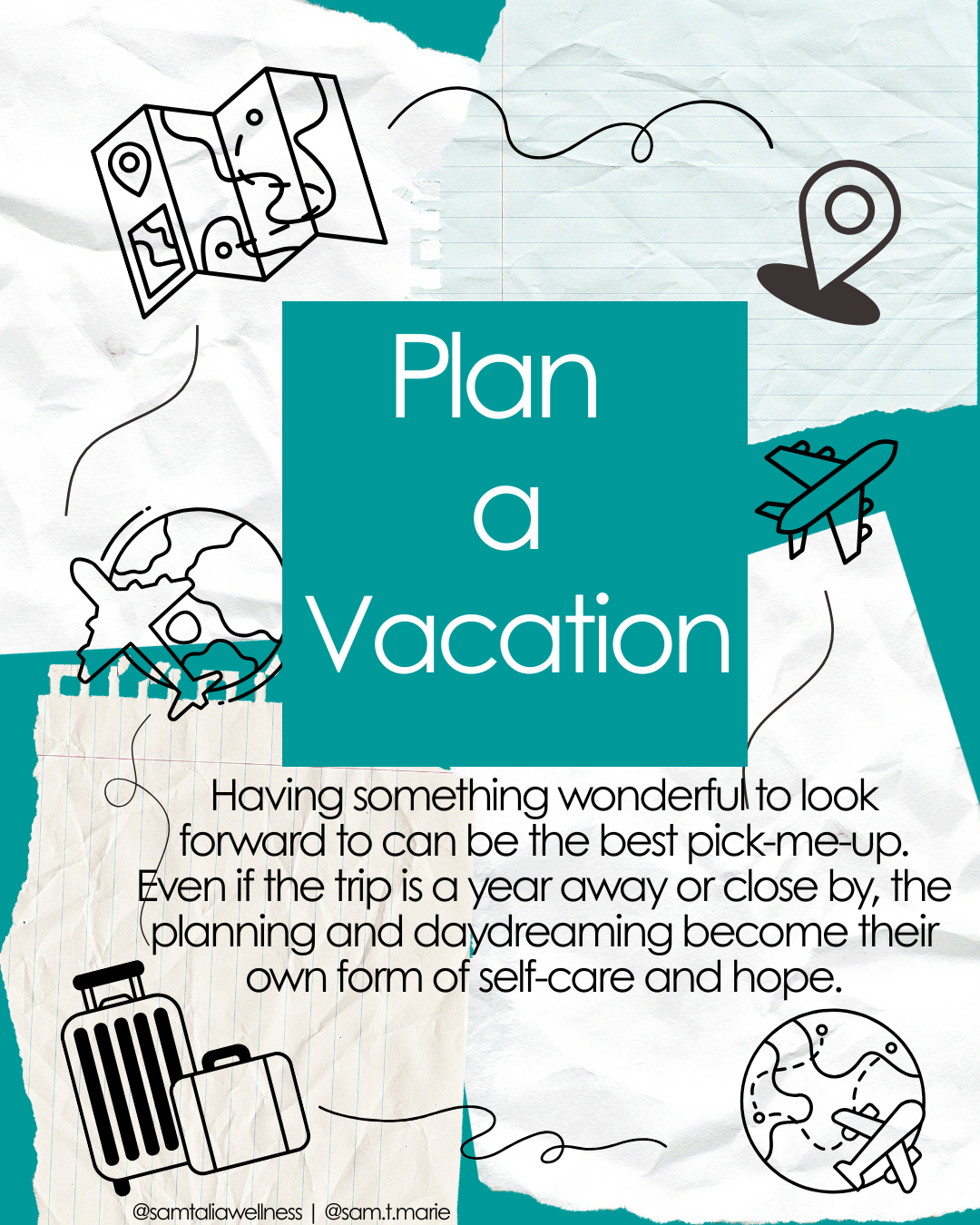
I once had a job that was frustrating enough that every time it annoyed me too much, I bought a plane ticket. I flew somewhere roughly once a month for almost a year before I finally moved on. Was it the most financially calculated decision I've ever made? Debatable. Did having something to look forward to genuinely make the hard days more bearable? Absolutely yes.
There's something real about the anticipation of travel - the daydreaming about where you'll go, what you'll eat, which museum you finally get to walk through. The planning itself is a form of self-care. For those of us in events and travel, we know better than most that a well-designed experience can change how someone feels about everything for a while.
If budget or timing makes travel feel out of reach right now, don't underestimate a staycation. A real one. Where you actually disconnect. Your nervous system doesn't always need a passport, it just needs a break.
The Bigger Point
None of these tips require perfection. They require a starting point: a ten-minute walk, a five-minute meditation, one yoga class in a style you haven't tried yet. Movement is medicine. Rest is productive. The way we take care of ourselves off the clock absolutely shows up in how we show up on it.
Wellness Wednesdays will keep coming every week on our Facebook and Instagram feeds. If you've been trying any of these practices - or if one of them is already your thing - I'd genuinely love to hear about it!
If you're curious about how intentional wellness design shows up in events and travel the way I think it should, that's exactly what we do at OmniEra. Take a look around - or better yet, let's talk. 😊