Low Battery: Rethinking Energy at Events
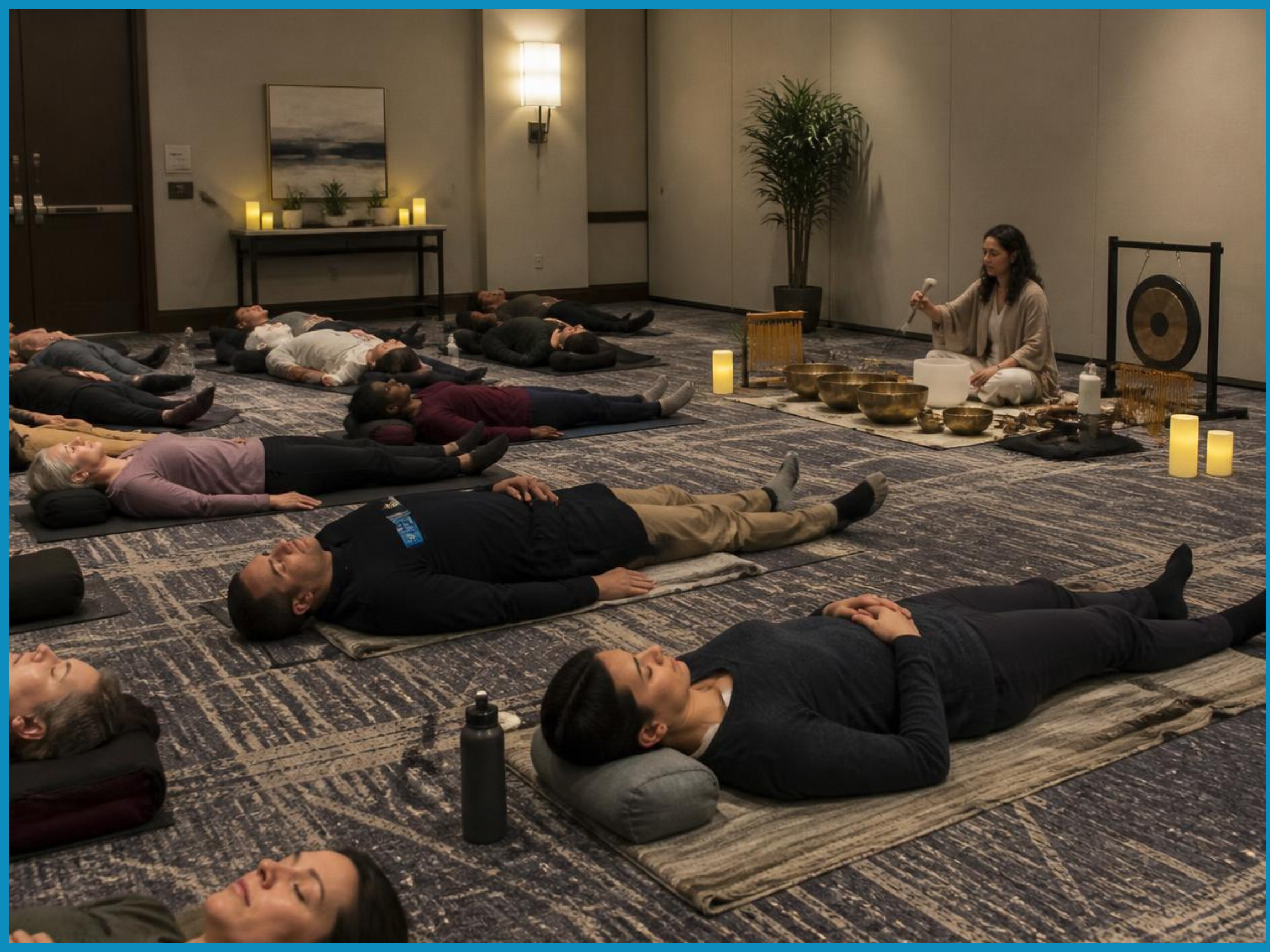
I've spent the last couple of weeks proving, once again, that I can’t do everything I want at the same time. A multi-day conference three time zones away. Facilitating a wellness retreat through SamTalia Wellness. Standing on stage at an industry event to talk about - wait for it - wellness in events and hospitality. Oh, and a final due for a certification I'm mid-way through, because apparently my calendar and I are not currently on speaking terms.
I knew this stretch was coming months ago and planned for it, but here I am anyway, running on fumes and relearning a lesson I could probably teach a masterclass on: I am not Superwoman. None of us are. If I'm going to spend my career telling event and hospitality professionals to protect their energy, I owe it to all of you (and myself) to walk that talk a little better.
What shifted this from a personal venting session into something bigger was this: at every one of those events, conversations with attendees circled back to the same thing, unprompted. Whether someone was attending, helping run the show, or just staying upright through their own overloaded schedule, energy came up as both what everyone wants more of and what nobody feels allowed to protect. It wasn't one group venting - it was a pattern, showing up in every room, every hallway conversation, every "no really, how are you doing" moment.
Let's talk about it. This conversation belongs to all of us.
The Math Isn’t Mathing
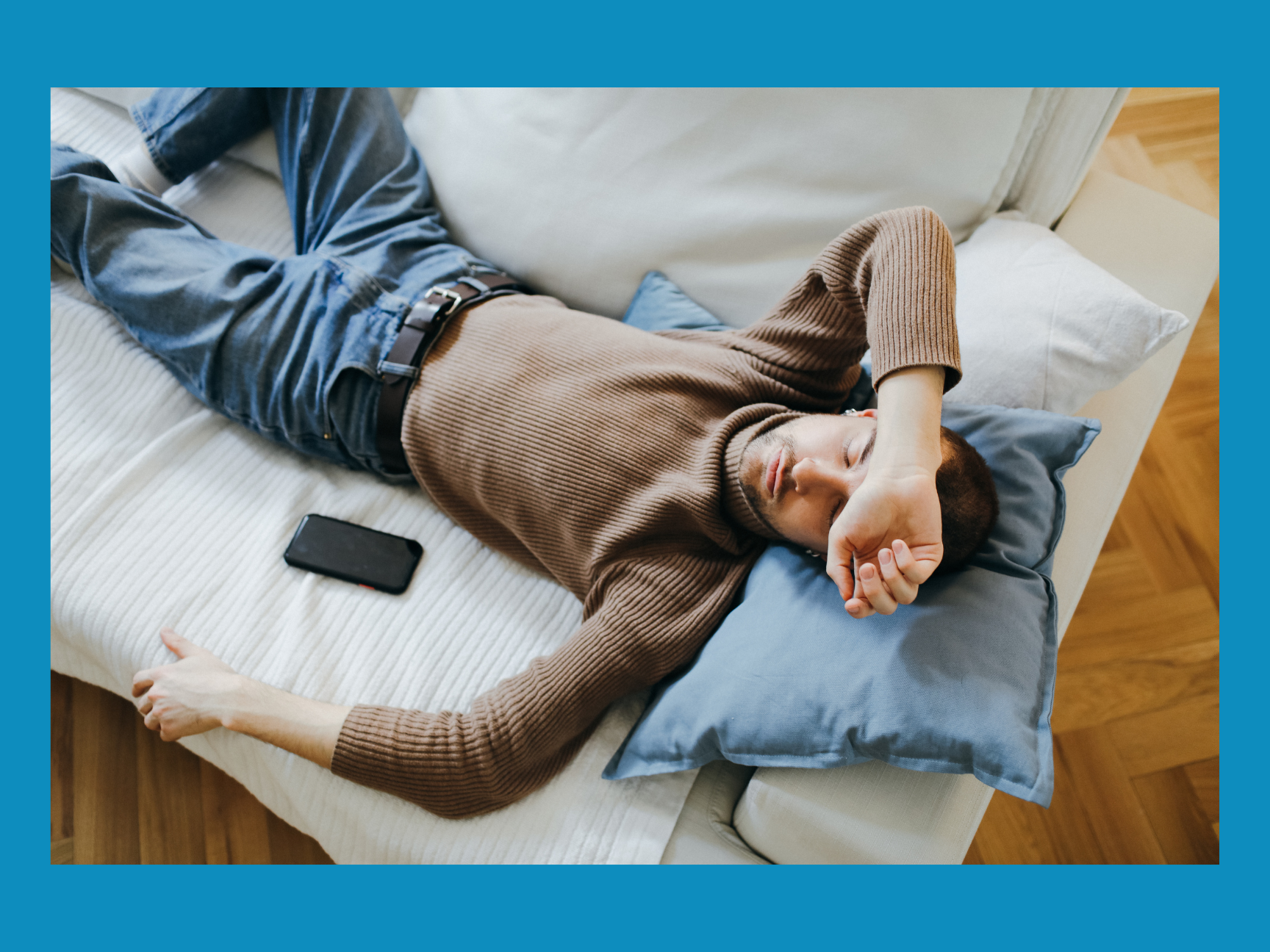
What do the timestamps on the agenda say? If an event runs until 10pm and attendance is expected again at 7am, that's not a packed agenda - that's a math problem. Add in attendees flying in from multiple time zones, and that 8am general session can feel like a 5am wake-up call to a meaningful chunk of your room. Nobody arrives at their sharpest under those conditions, and a keynote delivered to a half-asleep, windowless ballroom isn't the engagement win it's designed to be.
Wellness Programming That Only 25% of People Can Attend Isn't Wellness Programming
If the sole movement or mindfulness offering on your agenda is scheduled for 7am, you're leaving a huge portion of your audience out - and they notice. This has come up in some form at nearly every event I've been part of lately, across completely different crowds. The adjustment isn't complicated. Why does it keep getting missed?
Build it in - even if it’s small. A three-minute stretch break before the next speaker. A walk around the block instead of a post-lunch slump in a windowless room. Movement doesn't need a budget line, it just needs a little intention, and the payoff on collective energy is immediate.
Food Is Energy. Treat it like it is.
Endless sugary, processed snacks are a short-term fix with a long-term crash attached - no need to banish the candy bowl entirely, just stop making it the only option. Vegetarian and plant-based attendees - a group that keeps growing, by the way - deserve more than a mushroom entrée wedged between two red meat choices.
More than one vegetarian told me the same story this past week - vegetarian options on the menu, but not nearly enough protein behind them. By the end of the day they were lightheaded, and it took getting to that point to realize what was missing - then scrambling for whatever unhealthy snack was closest just to slap a protein band-aid on a problem that never needed to happen.
Protein doesn't require meat: eggs, legumes, lentils, chickpeas, quinoa, cheese, and Greek yogurt all deliver, often for less than your steak option. Pairing high sugar with low protein is a habit well past its expiration date, and your attendees' energy - and health - are paying for it.
Permission to Say No Goes Both Ways
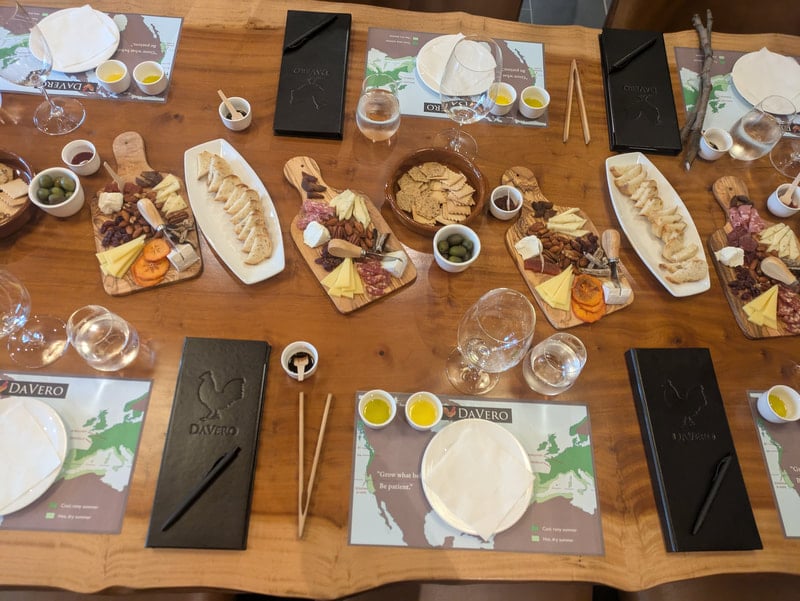
Free time is finally showing up on more agendas, which is progress, even when it's not always designed well. I've heard from attendees who skipped a session on purpose because they needed the recharge more than the content - honoring that instinct is its own kind of self-care.
This works both directions though. Planners carry real responsibility here - building sufficient breathing room into the schedule beats hoping attendees will carve it out themselves from a packed 8am-to-10pm day. When that free time lands somewhere many attendees don't know well, don't just release everyone into the wild and hope for the best. A short list of nearby coffee shops, a walking route, a park, or a favorite local spot turns open time into an experience instead of leaving someone standing alone with nowhere to go.
On the attendee side, saying no is still a full sentence. If the day doesn't leave built-in room to breathe, it becomes your job to decide what you're opting out of so you can show up for what matters most.
Rethink the Bar Cart
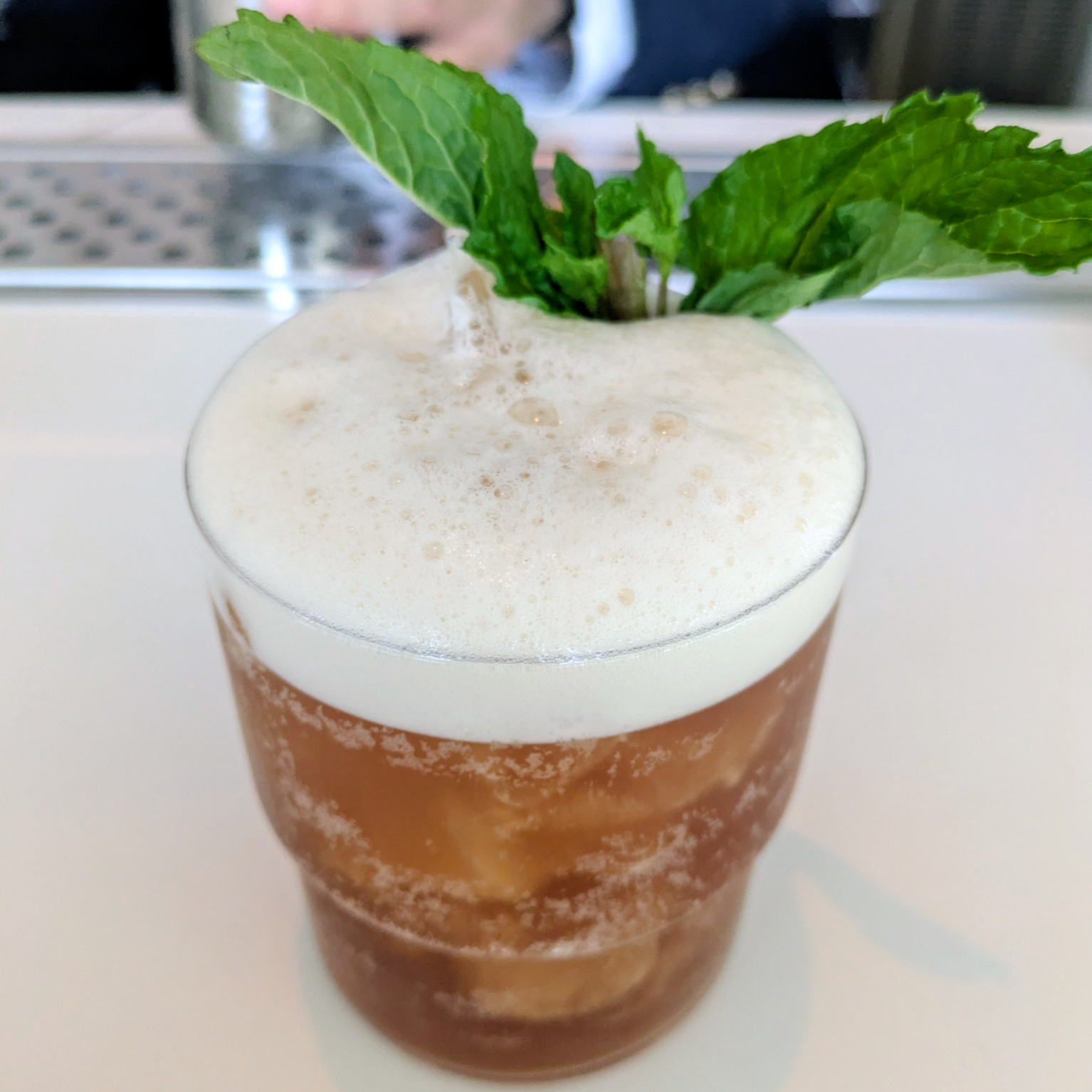
Alcohol and sugar-loaded drinks as the only networking option are their own energy drain, and demand for tea, adaptogen beverages, and well-crafted mocktails keeps climbing. There's also the setup to consider: dropping strangers together with zero structure and expecting organic connection is uncomfortable for a large share of your guests, and that's often where a drink becomes a security blanket rather than a choice. Designing intentional ways for people to connect beats hoping the open bar does the work for you.
Redefining "Busy"
This week I thought of something new: when people asked how we are doing, instead of the usual "busy," "tired," "exhausted," or "drained" - the default script most of us recite on autopilot - we can say "I'm working on my energy." It's a small swap, but it opens the door to naming what needs attention instead of wearing exhaustion like a badge of honor. Busy and tired aren't badges of honor in this industry, or any industry. They're red flags, and red flags deserve to be noticed, named, and acted on - not repeated on loop until they become an identity.
The Common Thread
Every one of these came from real conversations, repeated across completely different rooms with completely different people. This isn't a niche complaint, it's a shared one. Protecting energy, at events and everywhere else, deserves to be treated like the priority it already is.
Taking my own advice on this has been a continuous process, but this stretch of low-battery weeks taught me that walking the talk matters more than saying it well. Here's to all of us getting a little better at it, together.
Wondering what elevating event energy can do for you and your group?