It's Good for Business: The other case for DEIA
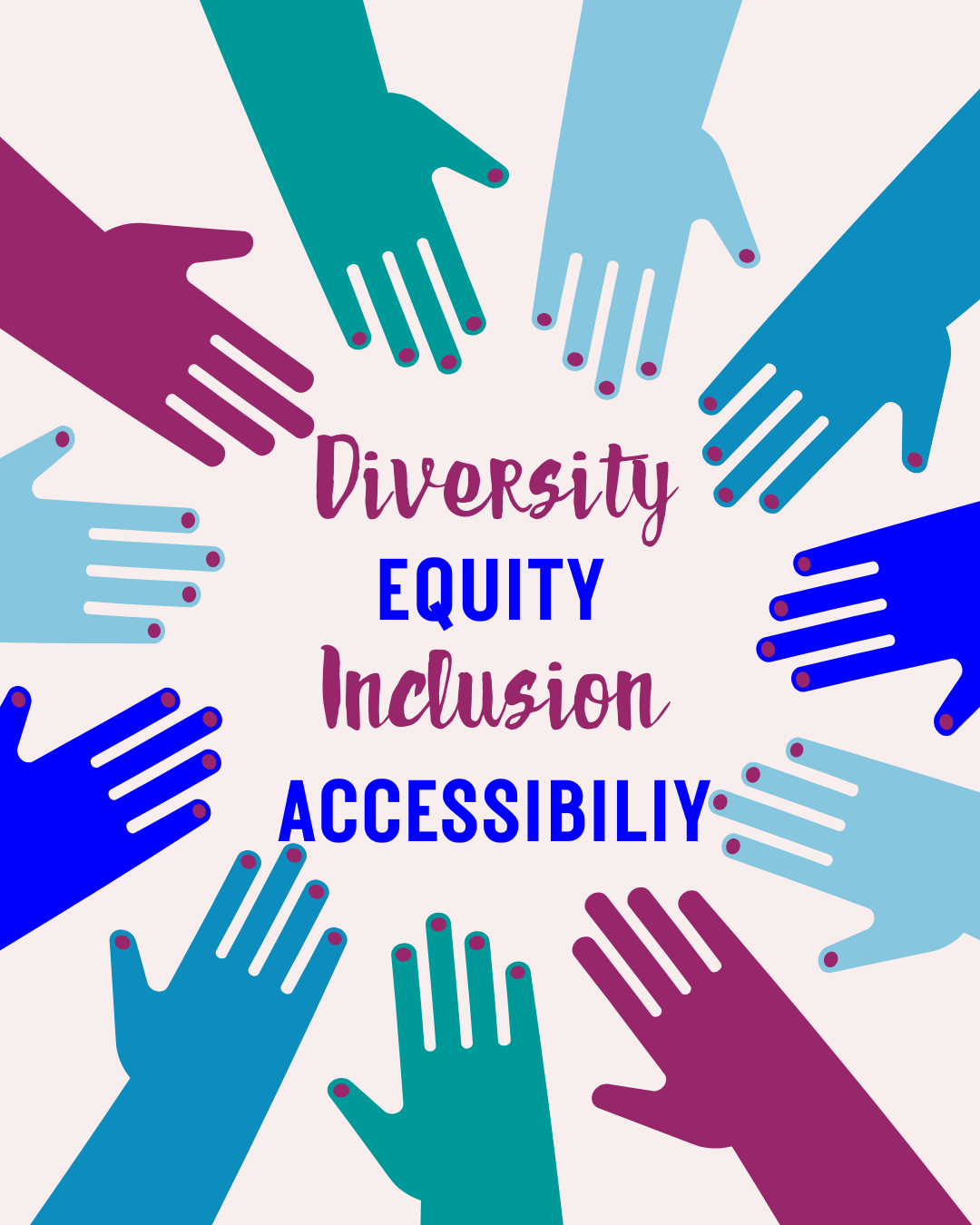
Let’s be real about diversity, equity, inclusion, and accessibility (DEIA). Putting aside the noise of current events, let’s focus on how DEIA directly impacts businesses and the economy. While it’s undeniably the right thing to do for humanitarian reasons, some may still question its practicality. For those seeking a more tangible perspective, let’s explore DEIA through a financial lens.
DEIA policies and practices offer a host of advantages that drive business success and financial growth.
Here are five key ways DEIA makes good business sense:
- Enhanced Innovation
Diverse teams bring a wealth of perspectives, sparking creativity and innovative problem-solving. This leads to groundbreaking ideas and unique solutions that give businesses a competitive edge, fueling long-term growth. - Access to a Broader Talent Pool
Embracing DEIA opens the door to a wider range of qualified candidates from all backgrounds. By attracting top talent, businesses boost efficiency, performance, and adaptability in a rapidly changing world. - Improved Employee Engagement
When employees feel valued and included, they thrive. A culture of equity and accessibility improves job satisfaction, boosts productivity, and reduces costly turnover. Happy employees create a powerful foundation for sustainable business growth. - Stronger Customer Connections
A diverse workforce reflects and understands the diverse global customer base. This strengthens relationships, drives loyalty, and opens doors to new markets. Notably, the disabled community alone accounts for an estimated $8 trillion in disposable income annually - $13 trillion when including their friends and family. Businesses that embrace accessibility can tap into this massive market. - Better Decision-Making
Inclusive teams make well-rounded, informed decisions. By considering diverse viewpoints, they develop smarter strategies, reduce risks, and achieve better outcomes, ultimately maximizing profitability.
DEIA in Event Design: Where the ROI Really Shows
When it comes to events specifically, implementing DEIA principles doesn't just check a box - it transforms the entire attendee experience and delivers measurable returns.
Here's how:
Increased Attendee Satisfaction and Loyalty
When attendees feel truly welcomed and accommodated, satisfaction scores soar. Accessible venues, diverse programming, and inclusive design show attendees they matter. This translates directly to higher Net Promoter Scores, better post-event feedback, and increased likelihood of attending future events. Satisfied attendees become brand ambassadors, expanding your reach organically.
Higher Engagement Rates
Inclusive event design meets people where they are. Offering multiple session formats, quiet spaces for those who need sensory breaks, live captioning, diverse presentation styles, and varied networking opportunities means more attendees can fully participate. When everyone can engage meaningfully, you see higher session attendance, more active participation, better networking outcomes, and increased interaction with sponsors and exhibitors.
Attendees Feel Seen and Valued There's an intangible but powerful ROI when attendees see themselves represented - in speakers, in content, in imagery, and in thoughtful accommodations. When people feel seen, they connect more deeply with your brand and message. This emotional investment leads to stronger community building, increased word-of-mouth marketing, higher registration rates for future events, and greater willingness to invest in premium ticket tiers or upgrades.
Supporting Neurodivergence Boosts Participation Providing quiet rooms, sensory-friendly spaces, clear signage, detailed schedules shared in advance, and options for virtual or hybrid participation doesn't just help neurodivergent attendees - it creates a better experience for everyone. These considerations reduce anxiety, increase comfort, and allow more people to show up as their best selves. The result? More attendees can fully absorb your content, engage with your community, and derive value from the experience.
Expanded Audience Reach When you design events with DEIA at the forefront, you remove barriers that have historically excluded entire segments of potential attendees. Accessible venues welcome those with mobility challenges. Diverse programming attracts varied demographics. Flexible formats accommodate different learning styles and schedules. This isn't just good ethics - it's good math. More people who can attend means more registrations, more revenue, and a richer, more dynamic event environment.
Enhanced Sponsor and Partner Value Corporate sponsors increasingly prioritize DEIA in their partnerships. Events that demonstrate genuine commitment to inclusive practices become more attractive to sponsors, command higher sponsorship fees, and build longer-term partner relationships. Your DEIA efforts become a selling point that differentiates your event in a crowded marketplace.
DEIA isn’t just about doing what’s right - it’s about doing what’s smart. It’s a strategic investment in innovation, talent, and growth, ensuring businesses not only survive but thrive in an increasingly diverse and interconnected world.
Love what you're reading???
Get a monthly dose of travel trends, event inspo, and wellness wisdom from behind the scenes, straight to your inbox! Never boring spam, always fun & uplifting from the founder. 😊