Assisi Awaits: Your Next Unforgettable Italian Adventure
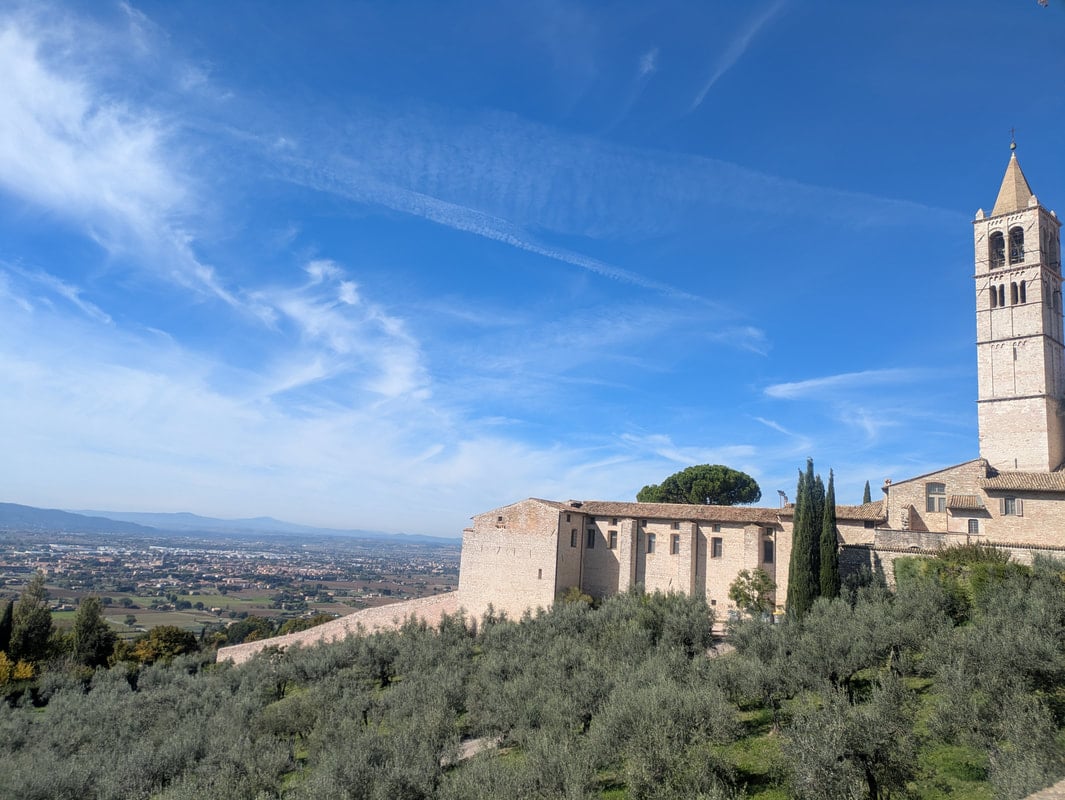
When I landed in Rome last month for a week-long journey through Assisi and the surrounding Umbrian countryside, I had no idea I was about to fall head over heels for one of Italy's best-kept secrets. Spoiler alert: This isn't your typical Italian itinerary, and that's exactly why your groups will love it.
Why Assisi Should Be on Your Radar
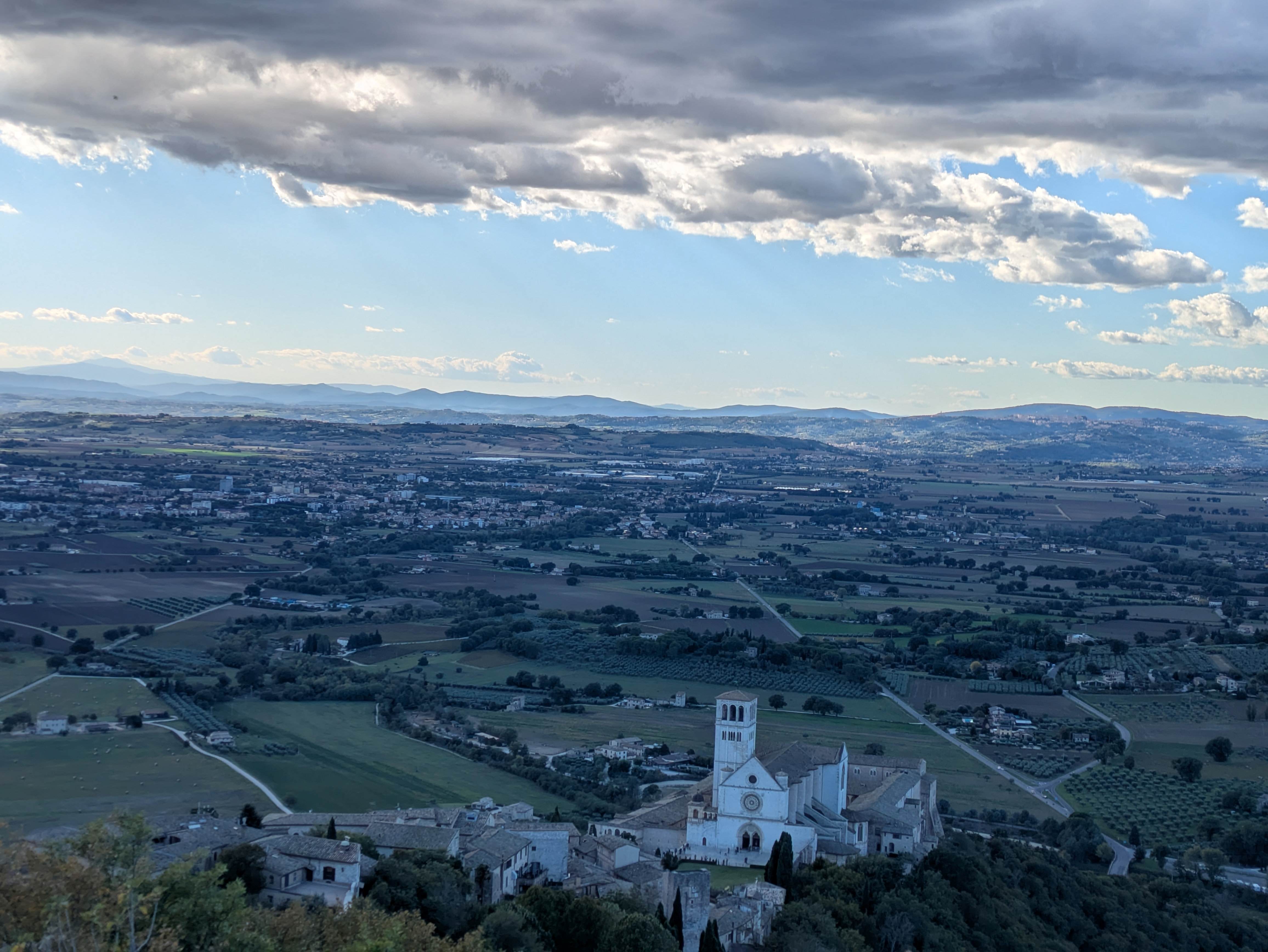
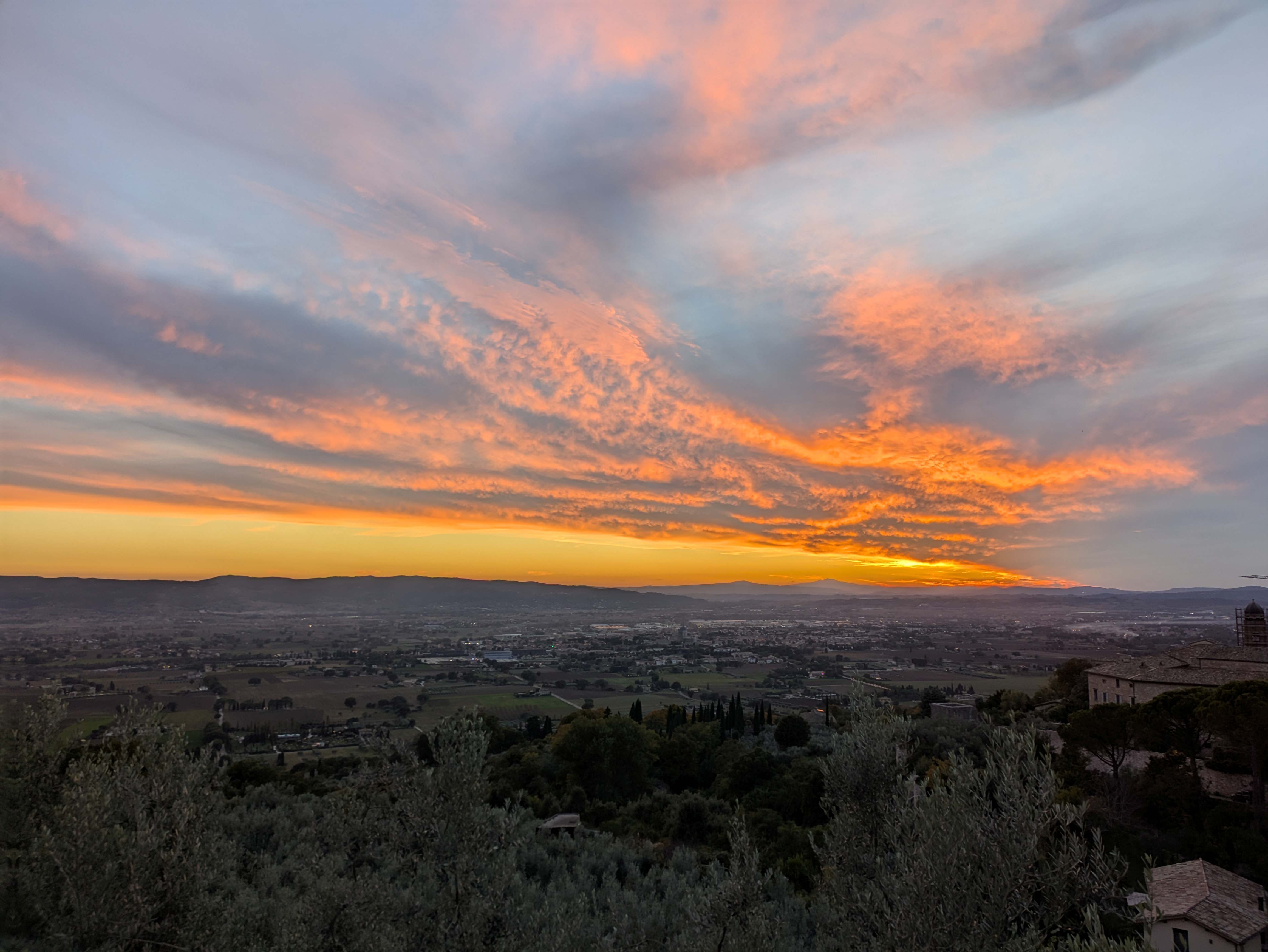
Forget the crowds of Rome and Florence (though they are a couple of my favorite cities in the world!) Assisi, perched dramatically on an Umbrian hillside, offers something increasingly rare: authentic Italian charm without the overwhelming tourist masses. Yes, there are hills. Steep ones. (One day we climbed the equivalent of 78 floors!) But the reward? Stunning medieval architecture, world-class cuisine, and that intoxicating sense of stepping back in time.
The drive up to Assisi alone is worth the trip. Watching this ancient hilltop town emerge from the landscape is pure cinematic magic. Much of my group stayed at the four-star Hotel del Priori right in the heart of town on a busy yet cozy street - perfect for groups who want to be steps from everything - yet I and a few others stayed a short 5 minute winding path walk down the hill at Hotel Pax - perfect for light sleepers like myself . The cobblestone streets buzz with energy while maintaining that walkable vibe meeting planners dream about.


The Food & Wine (Because Let's Be Honest, That's What We Love Here)
Italian food is always incredible, but Umbria? Chef's kiss. Our group experienced several standout dining moments that would elevate any group itinerary:
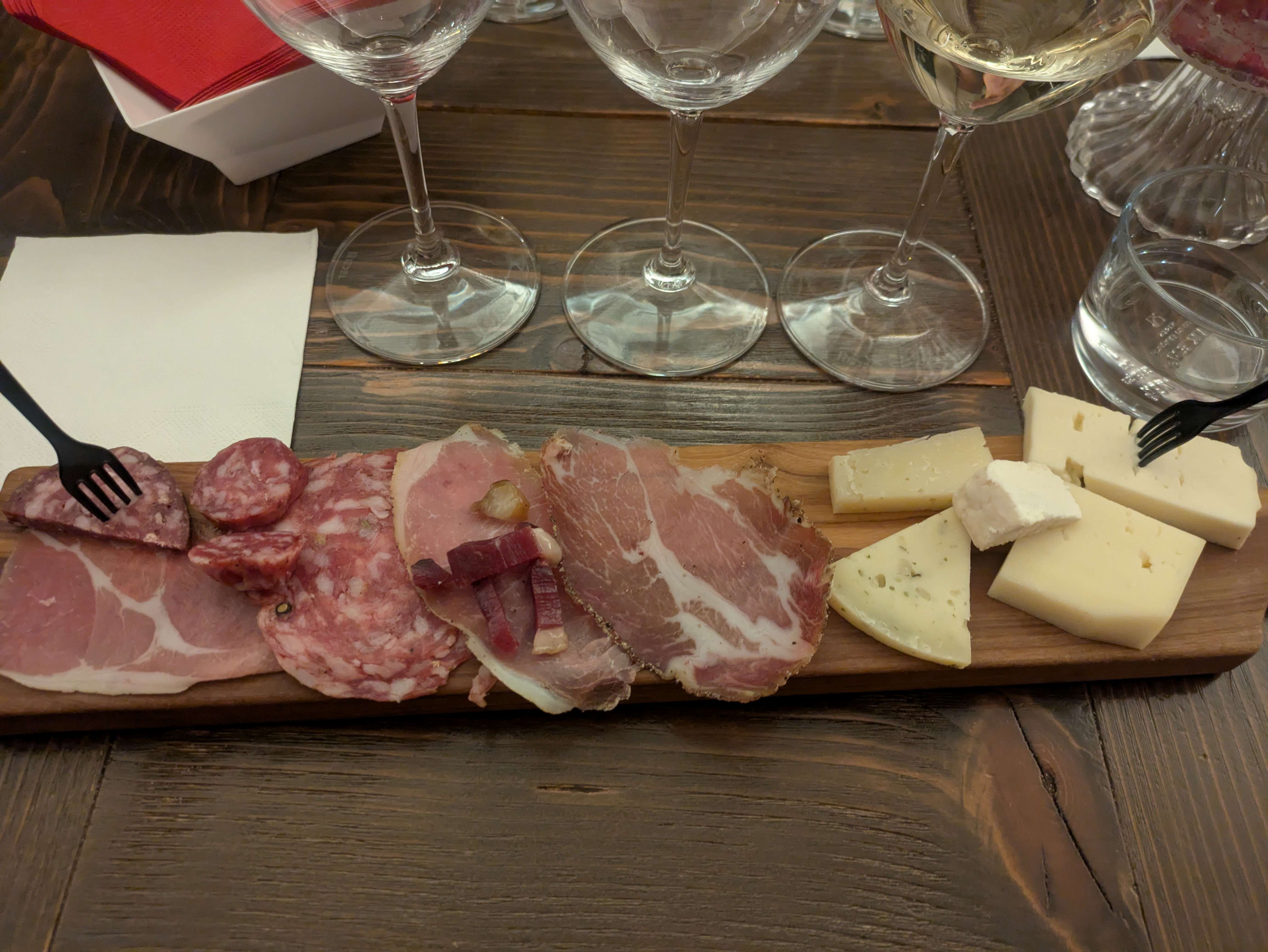
Bibenda Assisi became an instant favorite with its gourmet wine tasting experience. Executive Wine Master Sommelier Nila Halun guided our group of 14 through carefully selected Umbrian wines paired with local delicacies—from Ciauscolo di Visso to Canestrato di Assisi cheese, Subasio wild-caught pork cured meats, and Norcia truffles. She also offered tastings of extra virgin olive oils from the best mills on the Trevi-Spello-Assisi coast. The education, the pairings, the ambiance? Pure magic and centrally located for easy access.
Ristorante al Via del Forno delivered what might have been the best meal of the trip. This family-owned gem (run by the same family for decades) served course after glorious course over two hours, with attentive staff accommodating dietary needs seamlessly. (Yes, there's an Italian dish made of only melted cheese—who knew?!) The wine pairings and dish descriptions elevated the entire experience. The hospitality was so exceptional that several of us bought bottles to take home.
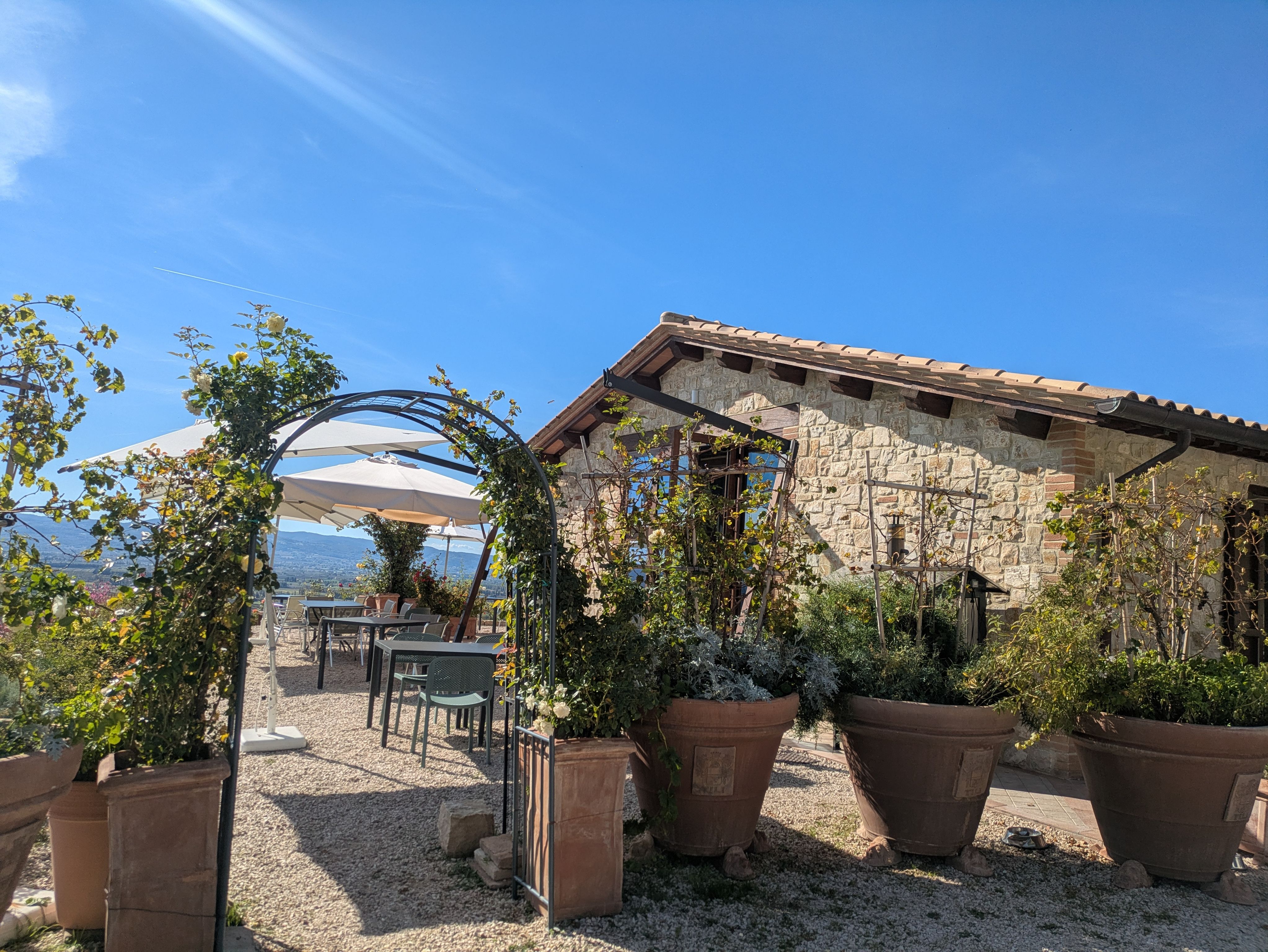
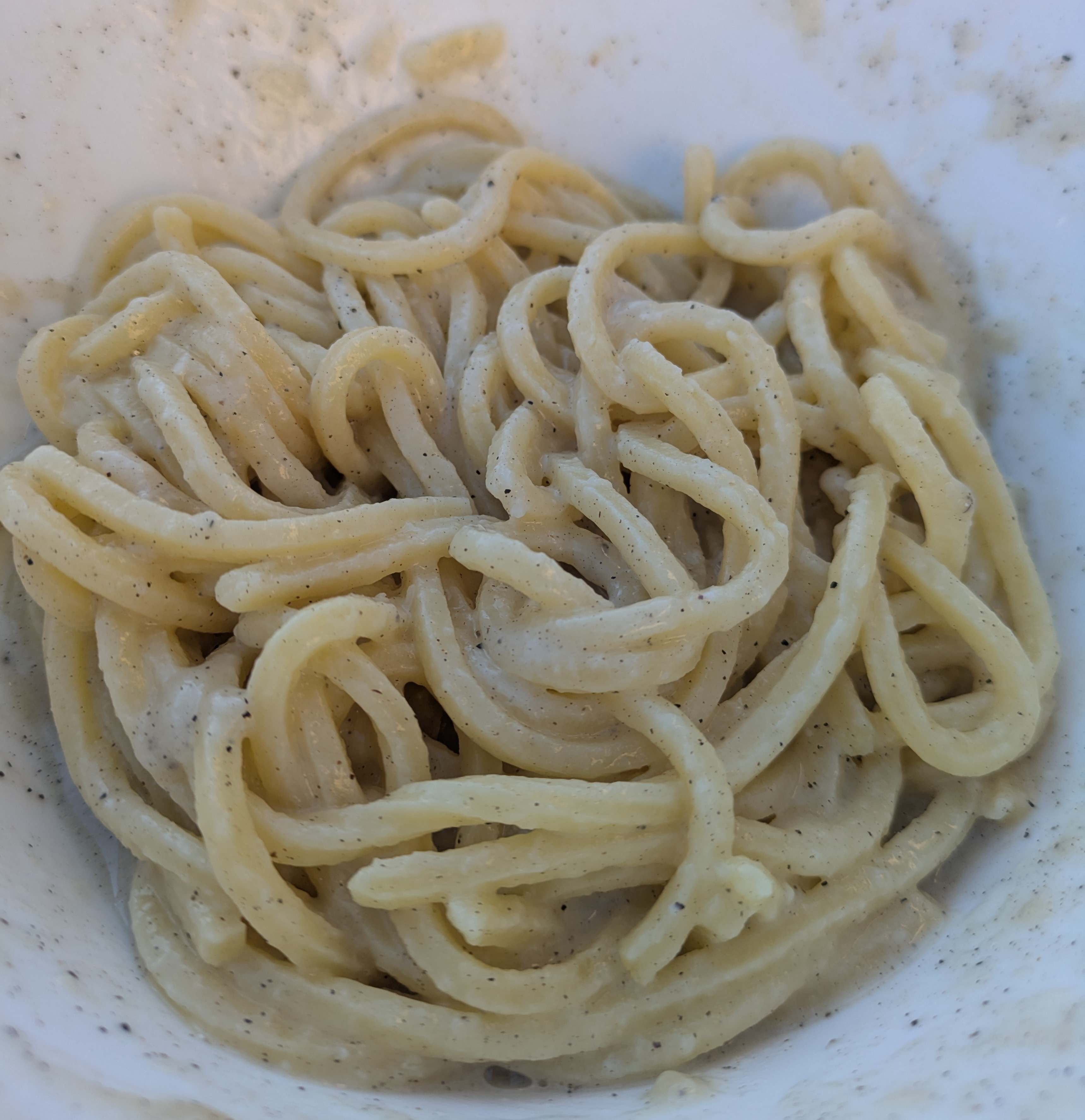
For a more rustic experience, Casale San Rufino d'Arce—a beautiful farmhouse—hosted our group for an outdoor picnic lunch that showcased the pastoral beauty of the region. For those hunting specific dishes, I found my beloved Cacio e Pepe (apparently more of a Roman specialty) at a tasty spot just steps from the fountain at Piazza del Comune—and even had a serendipitous conversation with a solo traveler who'd visited Assisi nearly 10 times. These spontaneous moments are what make travel magical.
Wine lovers, take note: We discovered Tili Winery just minutes outside Assisi, perched on a hillside with valley views that belong on a postcard. They produce their own olive oil, and we watched workers picking olives from trees during our lunch and tasting. I also stumbled upon Napolini, a welcoming local wine shop run by an Umbrian family offering complimentary tastings of regional varieties, including the region's signature 100% Sagrantino—grapes found only around the comune of Montefalco in the Province of Perugia. It's a wine you simply can't get anywhere else in the world.
Don't even get me started on the gelato: We found THE spot (you'll have to contact me to discover which one) and returned six days straight! After one unfortunately gritty disappointment on day one, we were directed to what locals consider the undisputed best gelato in town - and they weren't wrong.
Historical Treasures & Architectural Marvels
Even non-history buffs in your group will be captivated by what Assisi reveals around every corner. This isn't dusty museum territory, it's living history that still resonates centuries later.
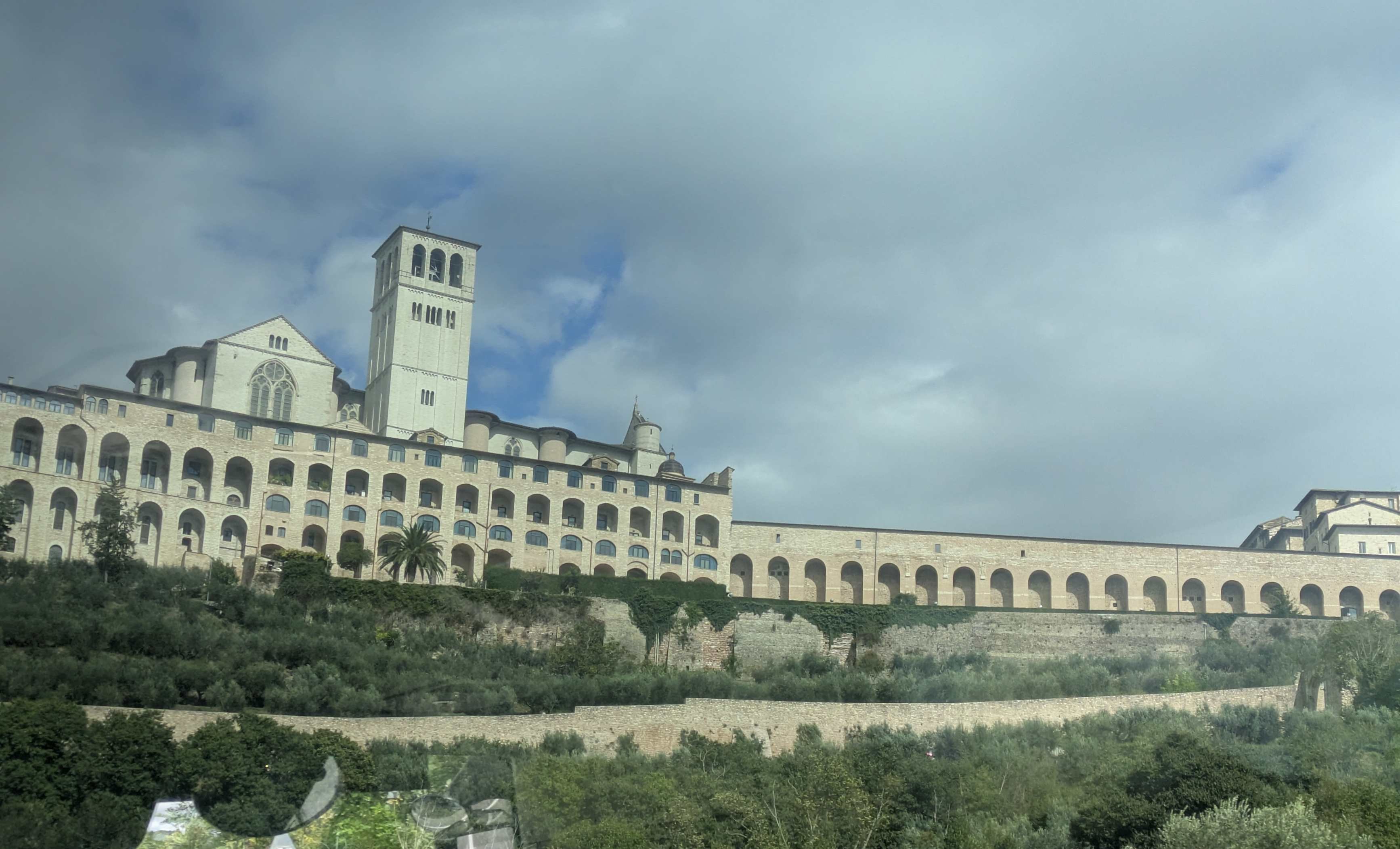
The Rocca Maggiore: The mammoth castle you see dominating the skyline on your drive up offers panoramic valley views and fascinating medieval history. The interior even served as a filming location for Franco Zeffirelli's 1972 film "Brother Sun, Sister Moon." The walk up is epic, but so is the reward.
Chiesa Nuova (New Church, despite having been built in the 16th century) showcases the ornate beauty Italy is famous for, with stunning paintings covering every wall and the ceiling. Nearby you'll find the tiny Chapel of Little St. Francis, a small devotional oratory that tradition holds as Saint Francis' birthplace (historians debate this, adding to the intrigue).
Santa Maria Maggiore reveals layers of history literally built upon each other. The church served as the city's cathedral until 1036 and now houses the body of Carlo Acutis, recently canonized in 2025 and dubbed "God's Influencer" and the "first millennial saint" for his work documenting Eucharistic miracles online. His story resonates particularly with younger travelers: a tech-savvy teenager who died at 15 in 2006 and became a saint in the digital age.
San Damiano sits a peaceful 20-minute walk down from town (though be warned: walking back up is a workout!). This intimate 12th-century monastery was where St. Clare built her community and eventually took her final breaths in a small upstairs room marked with flowers. It's also the site where St. Francis knelt before a crucifix that reportedly spoke to him, saying "Francis, go and repair my church which, as you see, is all in ruins!" That very crucifix—the San Damiano cross—now hangs in the Basilica of Saint Clare. The site requires quiet, making it a powerful contrast to busier tourist destinations.
The Basilica of Saint Clare commands attention with its striking presence and intense interior atmosphere. The church houses remarkable relics including tunics worn by Francis and Clare, a shirt embroidered by Clare herself, and a portion of her hair cut by Francis. Clare's remains rest in a crystal and Subasio stone urn in the crypt, and that famous San Damiano crucifix hangs here. Photography isn't permitted in most areas—a reminder to be present in the moment rather than viewing everything through a screen.
The Basilica of Saint Mary of the Angels in the valley below creates one of the most striking architectural experiences imaginable. Built in the Mannerist style between 1569 and 1679, this massive basilica was constructed around the tiny 9th-century Porziuncola chapel—a space that looks like a single room by modern standards. The contrast is breathtaking and thought-provoking. This minuscule chapel is where the Franciscan movement began when young Francis of Assisi chose a life of poverty and service. As pilgrims flooded to the site, the impossibly small space necessitated building the enormous church around it. The complex includes gardens, a gift shop, and bookstore, all set in a vibrant, flat, extremely walkable plaza—a nice break from Assisi's hills.
The Basilica of San Francesco d'Assisi stands as one of Italy's most important cultural sites and has been a UNESCO World Heritage Site since 2000. The mortal remains of St. Francis rest here in a crypt along with those of his first companions, and the basilica has been a landmark to those approaching Assisi for eight centuries. The structure has its own dramatic history—two major earthquakes struck on the same day in 1997, and an aftershock during an inspection caused a vault collapse that killed two Franciscan friars and two specialists. Much of Giotto's famous fresco cycle depicting Francis's life was damaged, with some sections almost entirely destroyed. Today, it houses numerous relics including St. Francis's tomb, a parchment with his own handwriting, his tunic, and other artifacts. Photography isn't allowed and quiet talking is required—adding to the reverent atmosphere.
Day trips expand the experience beautifully. A train ride to Foligno reveals the corner where Francis sold his father's cloth (now marked as a memorial) and leads to the Monastery of St. Anna with its stunning 15th and 16th-century frescoes covering interior walls. The Church of San Francesco in Foligno houses the tomb of Saint Angela of Foligno, a 13th-century mystic, along with remains of Franciscan martyrs and impressive frescoes. I was personally drawn to a large cross inscribed with "Non ti ho amato per scherzo" (My love for you wasn't a joke), which led me down a research rabbit hole connecting to dates significant in my own life. These are the kinds of unexpected, personal connections that make travel unforgettable!
Another day trip to Greccio brings you to the Sanctuary of the Presepe, where the world's first living nativity scene was created in 1223 when Francis staged a retelling of Christ's birth with live people on Christmas Eve, sparking a global Christmas tradition! You can see the chapel where it happened, along with a museum showcasing nativity scenes from around the world in various artistic mediums. Lunch at nearby Nido del Corvo (Crow's Nest) offers several courses with a view of the expansive valley as your backdrop.
The Group Experience Advantage
Camaraderie in groups can be strengthened by participating in historical reenactments, splitting into smaller groups for intimate dinners, and multiple laughs sharing the addiction to that famous gelato spot.
The mix of structured group activities and free time lets everyone explore at their own pace. Some walk the steep hills for exercise, others take taxis. Some shop in local boutiques and discover wine shops, others sip wine in sunny piazzas with live music. The flexibility works beautifully for diverse groups with varying interests and energy levels.
One evening, a smaller group of us shared a meal of typical Umbrian meats, cheeses, and small plates outdoors in one of the beautiful central piazzas. Even when the wind picked up dramatically, it couldn't stop us from walking down the street for—you guessed it—more of that legendary gelato. These informal moments often become the trip highlights people remember most.
Practical Perks:
Accessibility: Rome Airport (Fiumicino) is your gateway, with about a 2.5-3 hour scenic shuttle to Assisi. The Hilton Garden Inn Rome Airport offers a quiet, restful option just a 10-minute free shuttle from the terminal, and the Hilton Rome Airport (don't get them confused!) is a walkable overpass with moving walkways that bring you directly to the hotel.
Accommodation Options: Hotels range from charming 3-star properties like Hotel Pax (ideal for those wanting quieter surroundings) to elegant 4-star options like Hotel del Priori (perfect for groups wanting to be in the heart of the action), all within a short walk of each other - though those hills definitely count as a morning workout!
Walkability: Everything is close, though comfortable shoes are non-negotiable. The compact layout naturally encourages exploration and those spontaneous moments that make trips memorable. The surrounding areas offer flat, easy walking for those who need a break from Assisi's vertical challenges.
Dining Infrastructure: From intimate wine bars to family restaurants that excel at group service, Assisi's food scene handles groups exceptionally well while maintaining quality and authenticity. Private dining areas are available for group meals, and restaurants are experienced with accommodating dietary restrictions.
Cultural Richness: The blend of medieval art, layered architecture (Roman, Early Christian, medieval, Renaissance), living history, and authentic Italian culture provides endless conversation starters and Instagram moments your groups will thank you for. The stories here span from ancient Rome through the Middle Ages to present day—including that newly canonized "millennial saint."
Year-Round Appeal: While we visited in October and enjoyed beautiful sunny weather (though that walk back up from San Damiano was warmer than expected!), the region offers different charms across seasons.
Ready to Plan Your Assisi Adventure?
Whether you're organizing a corporate retreat, an incentive trip, a special interest group, or leisure travel for discerning clients, Assisi and the surrounding Umbrian region deliver that perfect combination: sophisticated yet approachable, historic yet vibrant, indulgent yet authentic.
The region offers what so many travelers crave right now: a chance to slow down, savor extraordinary food and wine, explore genuine culture layered over two millennia, and return home with stories that don't sound like everyone else's Italian vacation. From medieval fortresses to intimate monasteries, from world-class wineries to that perfect gelato, from UNESCO World Heritage sites to hidden wine shops offering complimentary tastings, Assisi delivers experiences that resonate regardless of your group's background or beliefs.
This is Italy beyond the guidebook, where you're not just checking off famous sites but actually experiencing a place that has drawn people for centuries. The history is fascinating, the food is exceptional, the wine flows generously, and the memories? Unforgettable.
Want to bring your group to experience the magic of Assisi?
Let's talk about creating a customized journey through this remarkable corner of Italy. Reach out today, and let's start planning an unforgettable Umbrian adventure for your travelers!
Some destinations don't just host groups, they transform them.