8 WECs in and I'm Still Taking Notes
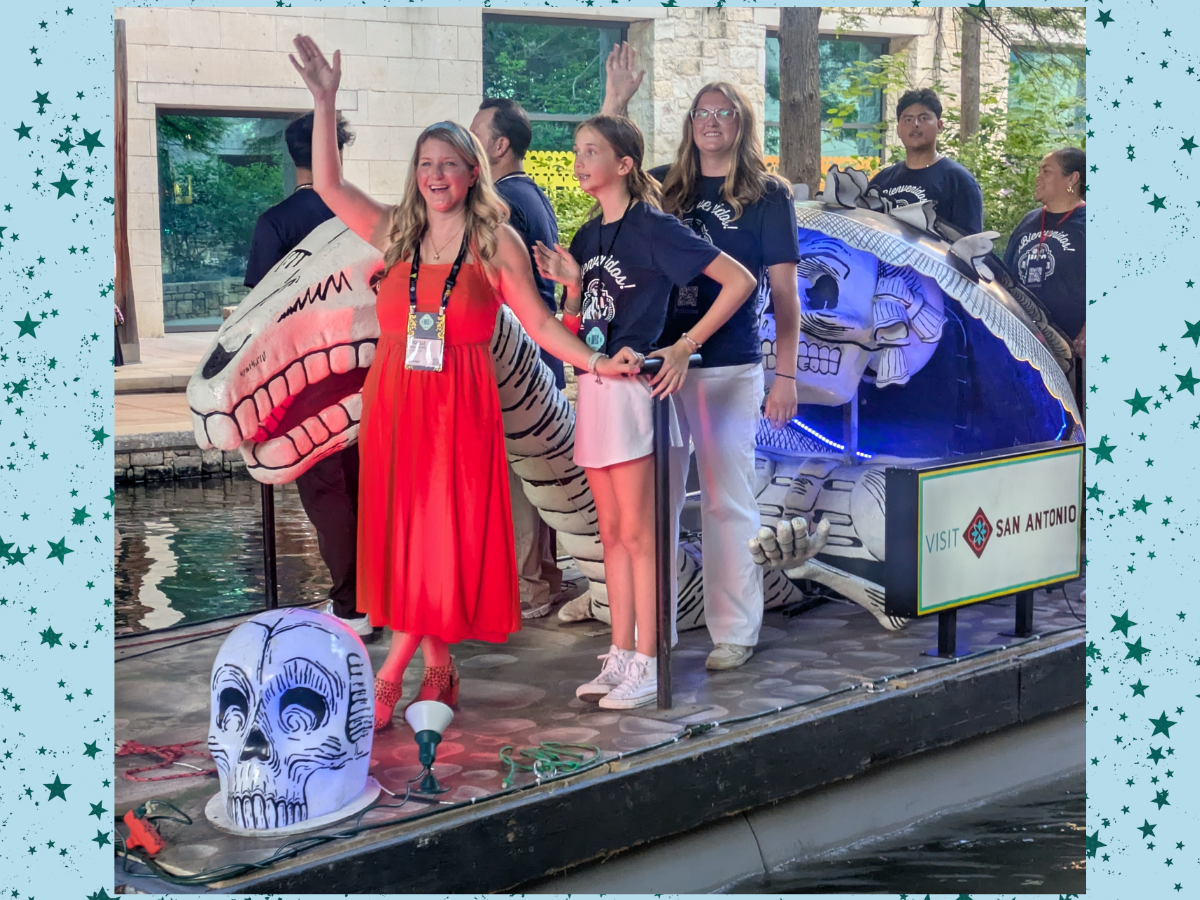
MPI's World Education Congress has a reputation for being part conference, part family reunion, and after attending eight of them, I can confirm: both are accurate.
I've been involved with MPI since 2016, a member and volunteer since 2017, and my biggest problem every single year is narrowing down which sessions to attend when eight are running concurrently. Whether a new certification or sitting in on a standalone session, I'm obsessed with learning. (Gary Murakami - industry legend and the man with more letters after his name than anyone I know - I'm coming for you. 😆)
This year, thanks to an MPI Foundation scholarship, I was able to make the trip to San Antonio and I'm so thankful I did. Being an independent planner in 2026 is not getting easier, but my love for this industry and this community runs deep, and I love taking what I learn and putting it right back into my chapter and my clients.
Welcome to San Antonio
I flew in from OAK with a layover and touched down around 1am Tuesday, and checked into my hotel just after 2am. Living with Delayed Sleep Phase Syndrome meant that I didn't get to sleep until almost 5am, thanks to biology and definitely not a lifestyle choice. On a normal conference schedule, that would be a problem. Fortunately, Day 1 of WEC didn't kick off until the afternoon. I'll take the win.
This is also a good reminder for anyone designing events with multi-timezone or neurodivergent attendees in mind: morning programming on Day 1isn't universally accessible, and the data on that - which was also a topic during a WEC session - is very real.
Thankfully, MPINCC Chapter President Eddie Kertel and a handful of fellow chapter peers landed around the same time, and we shared a shuttle from the airport. If it had lights it could have been a party bus, but those that were attending a charity pickleball tournament in just a few hours were definitely ready for their hotel beds.
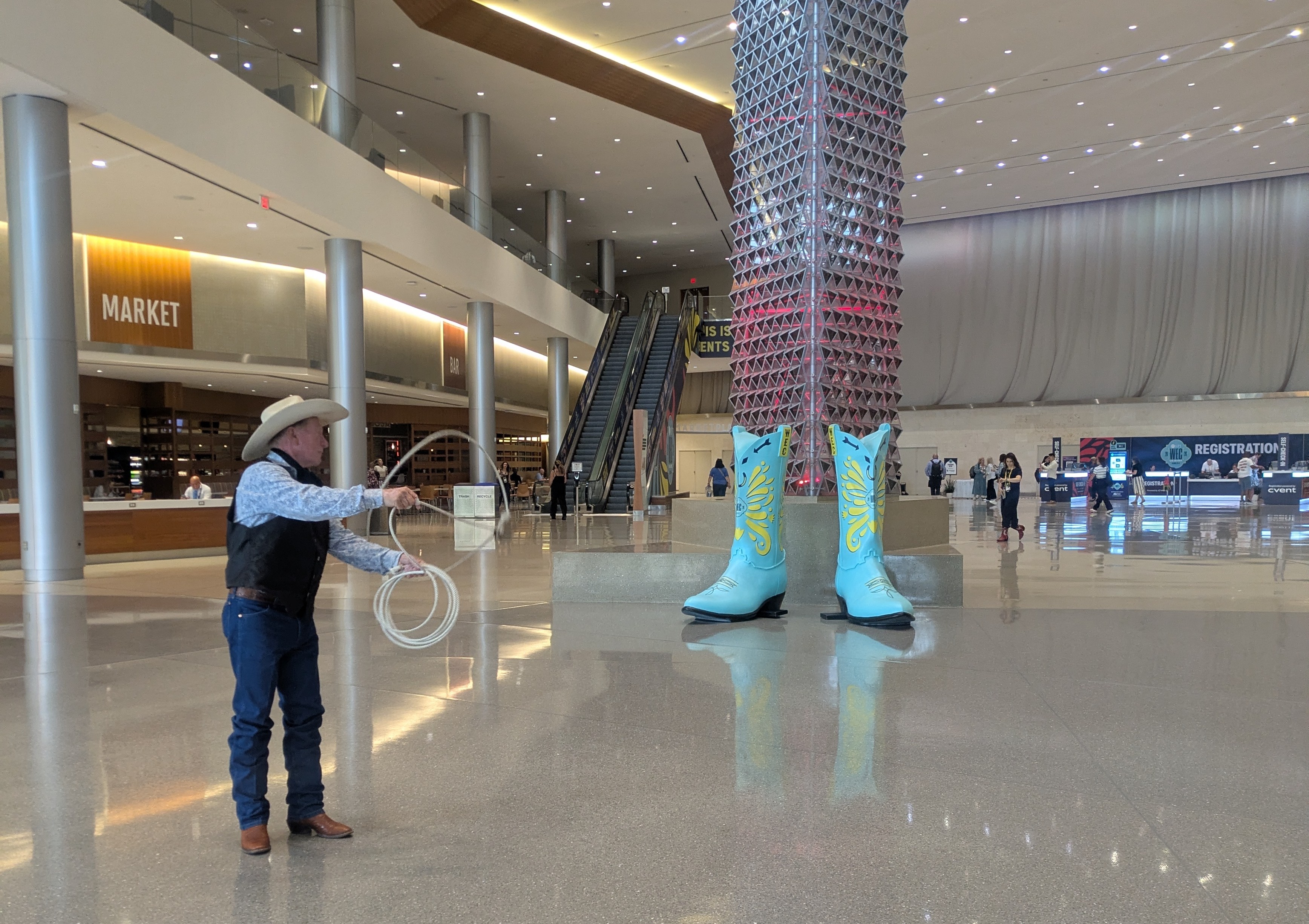
The walk from my hotel to the Henry B. Gonzalez Convention Center passed directly through The Alamo, and I was glad to get a few extra steps in each day since my workout routine definitely lacks during conference weeks. Stepping inside, we were greeted by a lassoing cowboy in front of some insanely oversized cowboy boots. Peak Texas energy. The opening general session set this year's theme - Bring Your Events to Life - and delivered an early fun fact I had to verify myself: San Antonio is the 7th largest city in the United States. (I checked. It's true. 😂)
The Keynotes Hit
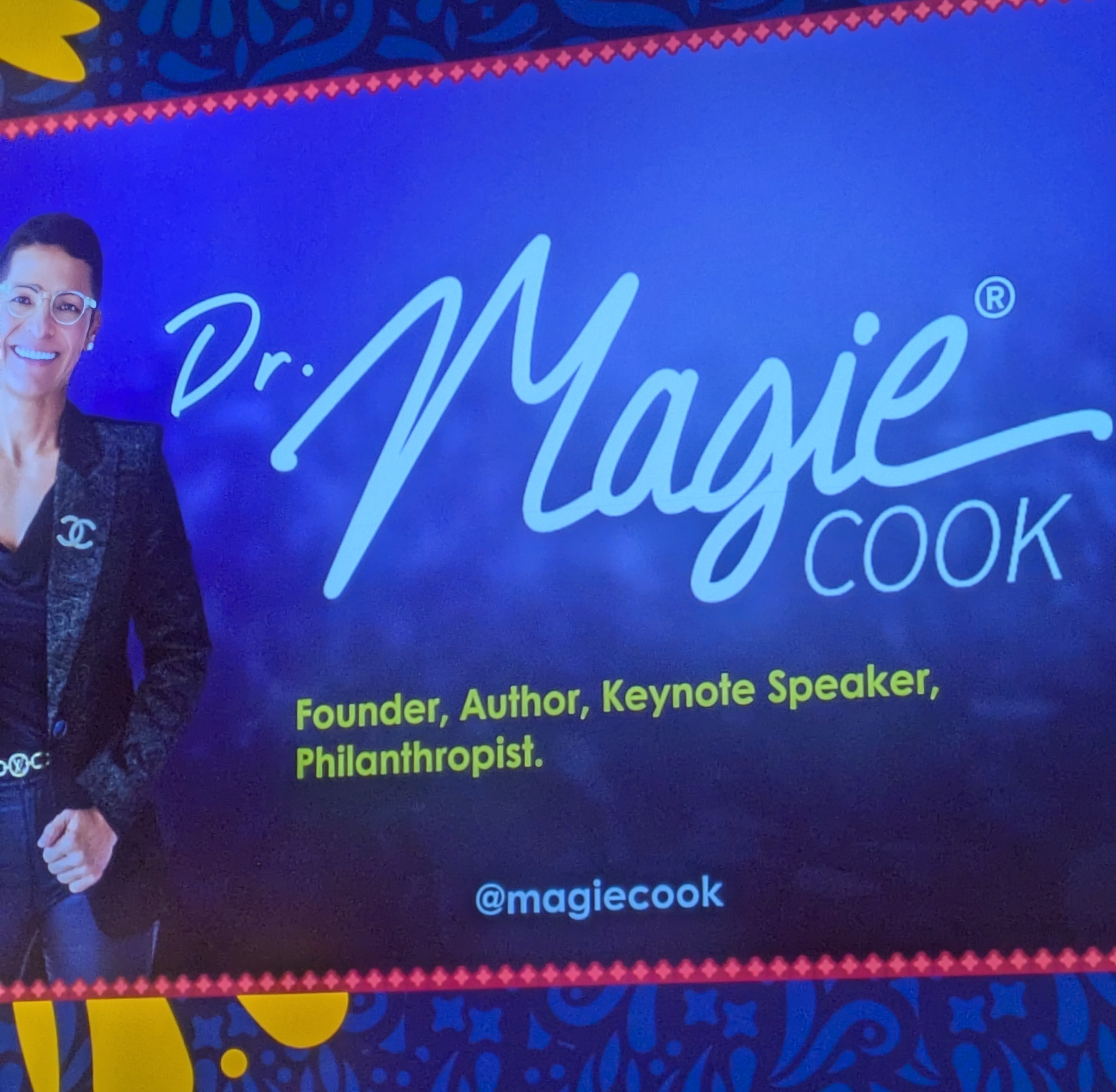
Dr. Magie Cook took the opening general session stage with one of those stories that makes you sit up straighter: Her journey - marked by hardships most of us can't imagine - became her framework for transformation with her 3 R model: Resourceful, Resilient, Relentless, which encouraged us to rise, rebuild, and reimagine what we can become.
She also walked us through building a personal power statement - nine specific elements that together create something between an affirmation and a roadmap: I am... grateful... in this moment... [adverb] [action verb]... toward a clear, specific goal... with an outcome... by a date... or something better. That last part matters. The example she gave landed for a lot of us in the room, and the framework isn't new - Think and Grow Rich has been preaching a version of this for a century - but hearing it structured this way made it more actionable for the audience.
Dr. Cook paired it with "future casting" - essentially an intentional manifestation practice using all five senses, so your goals don't just live in your head but feel real enough to move toward. Her immediate challenge to the room: identify three actions that will move your needle the most right now. Turn your adversity into your purpose. Every no is closer to yes - and you only need one!
Closing keynote Lilah Jones brought that same energy to the finish line with Pack Boldly, Travel Far, Lead Differently - a timely reminder that uncertain times are actually the biggest opportunities for growth and action. Given everything our industry is navigating right now, that landed exactly where it needed to.
The Education (There's always so much!)
This is where WEC always earns its keep. A few standouts:
Devon Pasha had a key insight for us event planners: "The thing you want them to remember most is the thing you should do last." Deceptively simple. Wildly underused in event design.
“Maximizing ROI with Behavioral Data” had a case study that made me laugh and wince: A conference held in the Central time zone with a heavily West Coast audience had scheduled their opening session at 8am. It did not go well. The bigger point: you can have the right room, the right content, and the right budget, and still leave attendees with less than they deserved because you didn't design with their energy in mind. Attendees in different time zones, with different sleep needs, with different bodies - they all show up to your event and they deserve programming that accounts for that. This is something I've been saying out loud for years, and it was gratifying to see the data back it up.
Amani Roberts led a session on establishing yourself as a thought leader and expert in your field, and the room should have been standing room only. One of his immediately actionable pieces of advice: write out 52 questions that people in your audience actually have about your industry, your destination, or your area of expertise. One question per week for a year, and suddenly your content calendar writes itself. He also walked us through a content pyramid framework for organizing and repurposing that content strategically across platforms, and made a compelling case for why your email list is still your most valuable digital asset, even in an era where every new platform promises to be the next big thing. Algorithms change. Inboxes don't. All of it was immediately actionable, and all of it is going straight onto my implementation list.
The session on designing your next career chapter - broken out by career stage - was one of those where you wish the clock had given everyone another thirty minutes. The core message at every table: get clear on your values, your strengths, and what actually drives you. Everything else flows from that. We all left with handouts to finish on our own, which is homework I'm actually excited about.
The One That Stayed With Me
From Anxiety to Acceptance: A Community Conversation for Event Professionals was a full room, and for good reason. The mental wellness conversation in our industry is finally happening openly - and I'm here for every single bit of it. Facilitator Paul Wong reframed something I've been saying myself lately: the neurodiversity woven through so many event professionals - the Type-A brain, the ADHD, the creative-meets-analytical wiring, the anxiety - isn't a liability. It's a superpower. We just have to learn how to use it intentionally.
Cultural Moments
The opening reception, Revelry: The Confluence of Culturas, lined the River Walk with floats celebrating Mexican, French, German, and Texan culture alongside Pride month. It was vibrant, joyful, and exactly the kind of welcome San Antonio delivers when it's showing off. The EDI Pride reception is always on my non-negotiable list, and this year was no exception - about a ten-minute walk to the Pink Shark, and worth every step.
The closing reception at Mexico cEATy — a lively food hall and entertainment space near The Alamo - wrapped things up with outdoor energy and local flavor. A few of us had late flights that evening - delayed, naturally - but we all made it home safely in our beds.
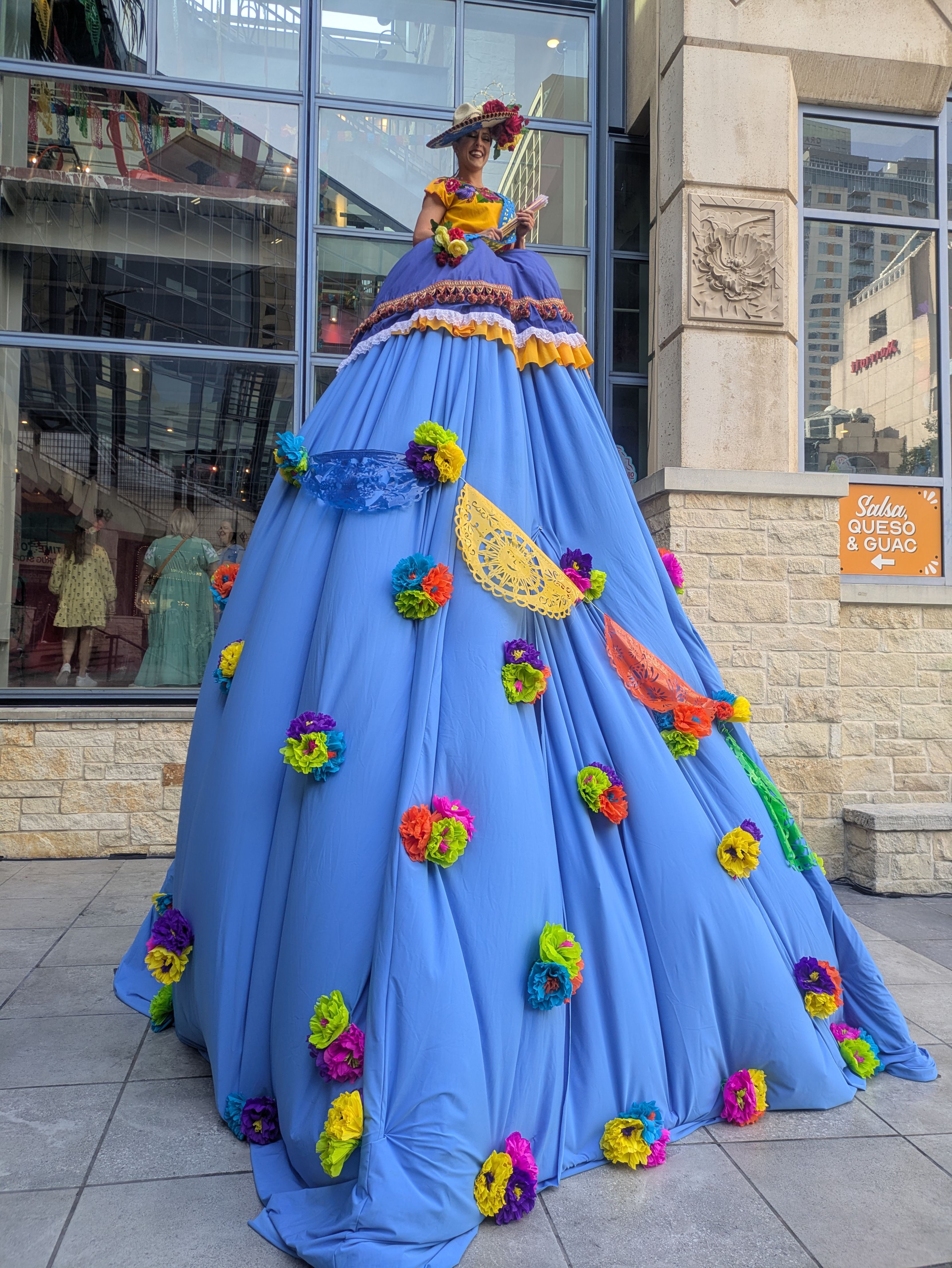
Viva San Antonio - See You In Las Vegas!
Eight WECs in, and I still leave with a full notebook, new connections, and a to-do list that somehow got longer, not shorter. The through-line running underneath this year's theme of Bring Your Events to Life was really about resilience - turning adversity into purpose, using detours as data, and showing up for this industry even when it's hard. If any group of professionals knows how to do that, it's this one.
I am beyond grateful for this community, this scholarship, and the reminder that what we do matters.
See you in Las Vegas for WEC 2027. I'll be the one trying to attend four sessions at once. 😄
Looking to make your next event or travel program unforgettable?
Let's chat!
