6 Ways to Prepare Your Group Like a Pro - Before Anyone Packs a Bag
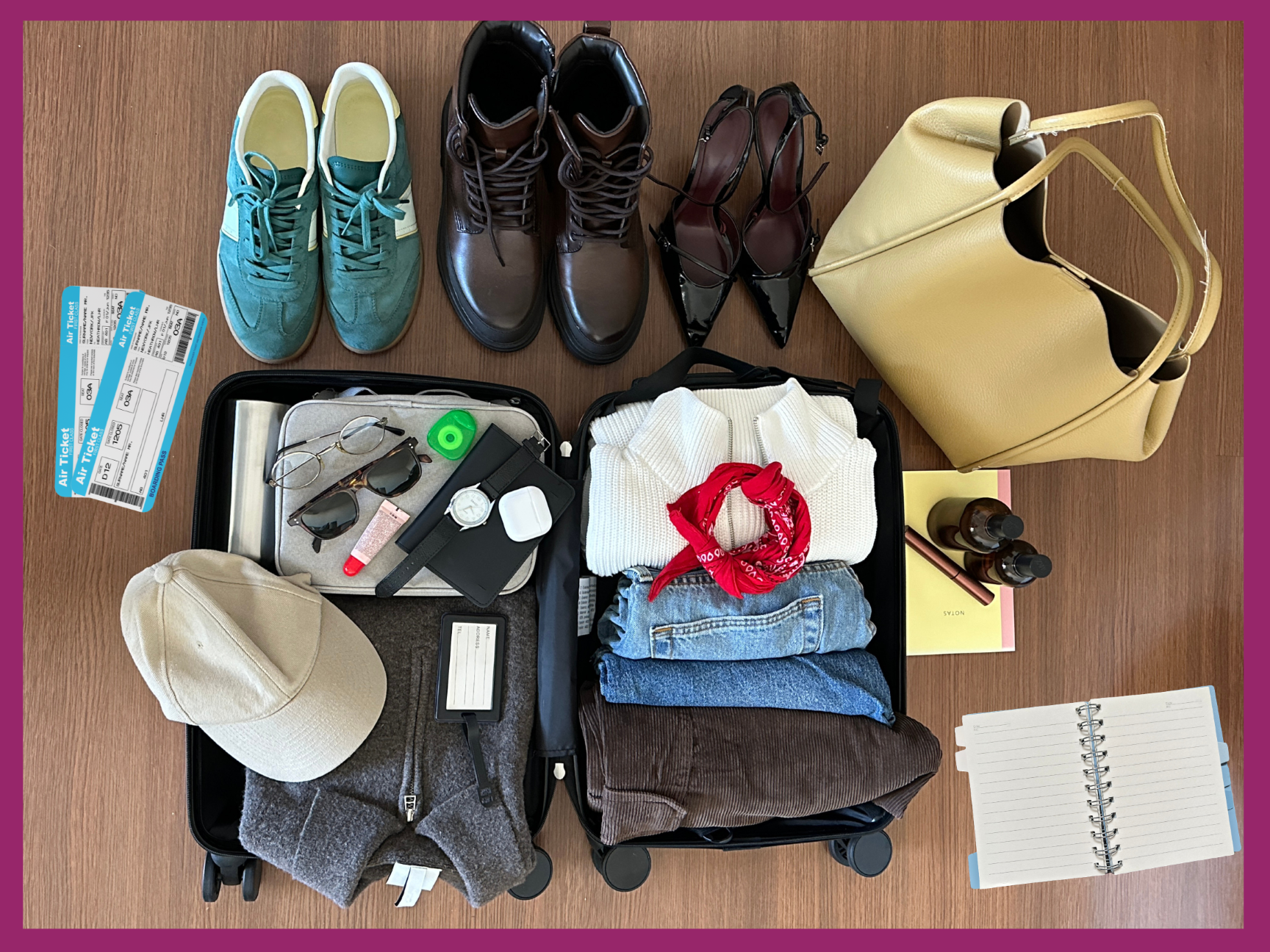
Your KBYG lands in your inbox two days before departure. You've already packed. Suitcase zipped, tags on, ready to go... and buried in paragraph four is mention of a theme dinner you had absolutely no idea about. Cue the frantic search through your closet for something, anything, that works. Not the vibe you want heading into a trip.
It's happened to me more than once, and it's probably happened to you too. The pre-trip brief - when done well and done on time - is one of the most underestimated tools in a planner's arsenal. It's not just a logistics document, it's the difference between a group that arrives confident and ready, and one that arrives with a flood of "quick questions" that could have been answered weeks ago.
Here's how to get it right.
Start Earlier Than You Think
A solid pre-trip cadence looks something like this:
- 30 days out: Something substantial to build excitement and handle any outstanding logistics.
- 1 week prior: A detailed KBYG to cover the need-to-knows
- 24 hours to program: A brief, calm day-of message that confirms everything and keeps energy high.
If you have all your finalizations locked before that 30-day mark? Send it. There's no prize for waiting, and your attendees will thank you for the extra time to prepare.
What Actually Belongs in the Brief
Beyond the schedule and hotel address, here's what often gets left out - and shouldn't:
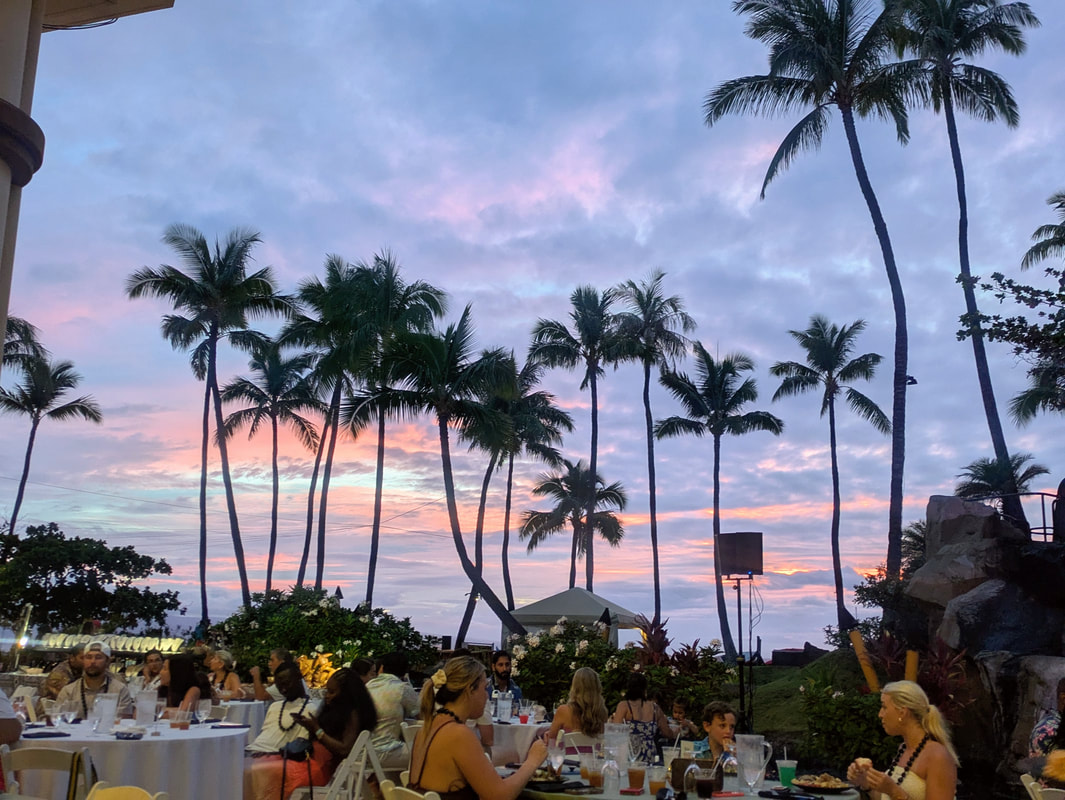
Dress codes and theme nights. Spell them out explicitly. Don't assume people will infer "beach formal" from a venue name. Tell them exactly what to pack.
Dietary and accessibility needs. Confirm what's been arranged so attendees with restrictions feel seen and aren't left wondering if anyone remembered them.
Flight arrival windows and Day 1 pacing. More on this in a moment, but a simple note about what to expect when they land goes a long way.
Weather, climate, and what to actually pack for it. This one is chronically overlooked and extremely important. Italy in August? Humid in ways that will humble you. Mention that breathable fabrics and clothes that can be easily rinsed and dried overnight are a smart call. Las Vegas or Palm Springs? Dry heat is sneaky - remind attendees to lotion up their hands and feet at night or they'll feel it by day two. High altitude destinations like Santa Fe or Park City? Hydration is non-negotiable, and some people are surprised by how altitude affects their heart rate and sleep. I learned the hard way on a trip to a high-elevation destination - ylang ylang oil at night became my secret weapon for bringing my heart rate back down. These are the details that make attendees feel like someone actually thought about them as humans, not just warm bodies on a manifest.
Local currency, tipping culture, and a few cultural etiquette notes. Frame these as insider tips, not a lecture. "In Italy, espresso is taken standing at the bar" lands very differently than a list of dos and don'ts.
Emergency contacts and key venue information. Yes, every time. Even experienced travelers appreciate having it in one place.
Free Time Is Programming Too. Treat It That Way
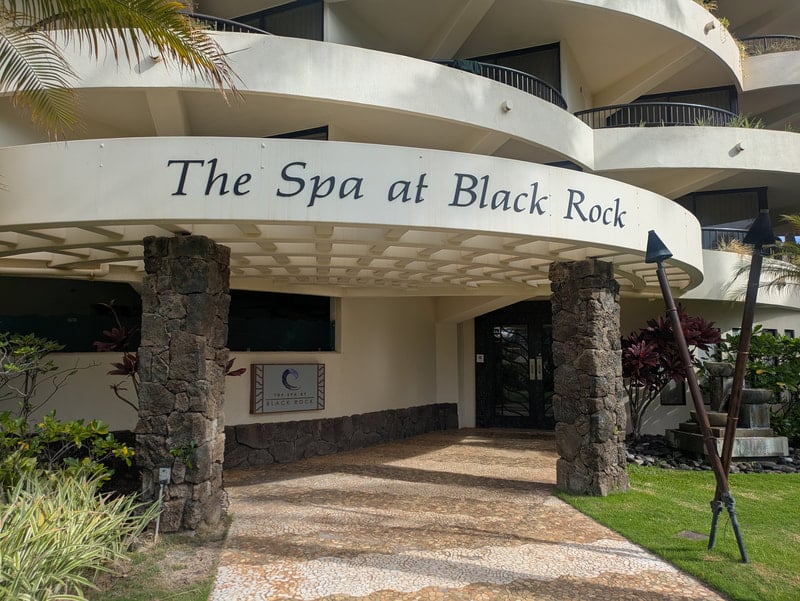
There's a welcome trend happening in conferences and corporate retreats: more intentional free time built into the schedule. Love to see it. AND... don't just drop a blank block in the agenda and consider your job done.
If your attendees are in an unfamiliar city, they may have zero clue what to do with that time. Unstructured hours in a new destination can shift quickly from relaxing to isolating, especially for someone who doesn't know where to start. You don't have to plan their afternoon for them, but offer a starting point. A few restaurant recommendations that didn't make the group dinner list, a neighborhood worth a wander, a view or landmark that's worth the short walk. Three to five suggestions is plenty. It shows you thought about the whole experience, not just the scheduled parts, and it ensures nobody spends their free afternoon staring at the hotel ceiling.
Flight Times, Energy Levels, and the Circadian Reality
Here's something that hardly ever makes it into the brief but absolutely should: an acknowledgment that your group is not a monolith. People are arriving from different time zones, on different flights, with wildly different energy levels. Someone who just did a red-eye from the East Coast and someone who drove 20 minutes to the airport are not in the same headspace, and a packed Day 1 agenda doesn't serve either of them particularly well.
A smart brief sets expectations around pacing, and a smart itinerary is designed around arrival realities. A lighter first evening isn't a wasted evening. It's a strategic investment in how your group shows up the next morning. Say that out loud in your communications. Attendees appreciate the consideration more than you might think.

Pick Your Platform and Use It
One of the most practical things you can do for any group trip is establish a clear communication channel before anyone boards a plane. For corporate groups and international travel, WhatsApp is hard to beat. It's widely used globally, works without carrier fees abroad, and makes sharing last-minute updates seamless. For smaller social groups, Messenger or a standard group text may fit better depending on what your people actually use. Meet them where they already are.
For larger events, lean on your event app for official communications and use a separate chat for the real-time, human-to-human stuff. Remind your group that the chat isn't just for logistics updates: It's where someone asks if anyone wants to share a car to the airport. It's where the dinner companion gets found on a free night. It's where the trip starts to feel like a shared experience before anyone's even landed. That kind of organic connection is worth encouraging and a group chat is the easiest way to make it happen.
Design for the Whole Group, Not Just the Median Attendee
A pre-trip brief is also an opportunity to signal that you've thought about everyone in the room, not just the most enthusiastic participants. Not every attendee wants the high-intensity excursion or the late-night reception. Communicate options clearly, build in choices where you can, and make it easy for people to opt into what works for them without feeling like they're missing out on what doesn't.
Diverse programming isn't a bonus feature. It's how you make sure the introvert, the early riser, the person managing a dietary restriction, and the one who just wants one quiet morning all leave feeling like the trip was designed with them in mind.

The Brief Is a Reflection of You
A well-prepared group is a confident group, and a confident group has a better experience. That experience reflects on you, your company, and every vendor relationship you've worked to build. The pre-trip brief is one of the smallest investments of time with one of the highest returns in attendee satisfaction.
If building out your group communication strategy - from the first save-the-date to the post-trip follow-up - sounds like a lot to manage on top of everything else, that's exactly what we're here for. Let's build something your attendees will be talking about long after they've unpacked.
📩 Ready to plan your next group experience?